Wisdom Tooth Extraction in Kalapatti, Coimbatore
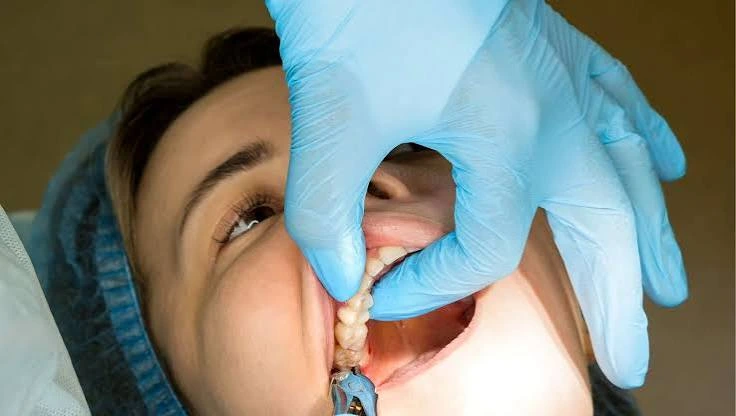
Safe and Personalised Removal of Problematic Wisdom Teeth
Wisdom teeth are the last set of molars to develop and may not always have enough space to erupt normally. When a wisdom tooth becomes impacted, partially erupted, difficult to clean, painful, or associated with repeated dental problems, wisdom tooth extraction may be considered after a dental examination.
At Gold's Dental Clinic in Kalapatti, Coimbatore, the need for wisdom tooth removal is assessed based on the position and condition of the tooth, surrounding teeth, gums, and overall oral health.
The clinic is owned by Dr. Thangadurai Paramasivam, Cosmetic Dental Surgeon and Consultant Advanced Oral Implantologist, with 3+ years of clinical experience.
If you are experiencing wisdom tooth pain, swelling, difficulty cleaning the area, or recurring problems around a wisdom tooth, a dental assessment can help determine whether extraction is appropriate.
Book Your ConsultationWhat Are Wisdom Teeth?
Wisdom teeth are the third molars located at the back of the upper and lower jaws. They are usually the last permanent teeth to develop and may erupt later than the other teeth.
Some people have enough space for their wisdom teeth to develop and remain healthy, while others may have limited space that affects how the teeth erupt.
A wisdom tooth does not automatically need to be removed simply because it is present. The decision depends on factors such as its position, condition, symptoms, ability to maintain proper oral hygiene, and its effect on surrounding structures.
What Is Wisdom Tooth Extraction?
Wisdom tooth extraction is a dental procedure used to remove a wisdom tooth when the tooth cannot be appropriately maintained or is causing, or is likely to cause, dental problems.
The procedure may be considered for a fully erupted wisdom tooth or a partially erupted or impacted tooth, depending on its position and clinical condition.
Before extraction, your dentist may examine the tooth and recommend dental imaging to understand its position and relationship with surrounding structures.
What Is an Impacted Wisdom Tooth?
An impacted wisdom tooth is a wisdom tooth that does not erupt normally into its expected position.
Impaction can occur when there is insufficient space for the tooth to emerge or when the tooth develops at an unfavourable angle.
A wisdom tooth may be:
- Completely covered by gum or bone
- Partially erupted
- Angled toward the neighbouring tooth
- Positioned differently from normally erupted teeth
The position and degree of impaction can influence whether extraction is recommended and how complex the procedure may be.
Why Do Wisdom Teeth Become Impacted?
Wisdom teeth can become impacted when there is not enough space in the jaw for them to erupt into a functional position.
Other factors can include:
- The angle at which the tooth develops
- Position of neighbouring teeth
- Available space behind the second molar
- The direction of tooth eruption
- Individual jaw and tooth anatomy
An X-ray or other appropriate dental imaging can help your dentist understand the position of an impacted wisdom tooth.
When Is Wisdom Tooth Extraction Recommended?
Wisdom tooth extraction may be recommended when a wisdom tooth is causing symptoms, cannot be adequately maintained, is damaging nearby structures, or presents a clinically significant problem.
Depending on the individual situation, reasons may include:
Impacted Wisdom Teeth
An impacted wisdom tooth may be difficult to clean and can sometimes be associated with pain, infection, decay, or problems involving neighbouring teeth.
Partially Erupted Wisdom Teeth
A partially erupted tooth can create an area where food and plaque accumulate, making the surrounding gum difficult to clean.
Recurrent Pain or Swelling
Repeated pain or swelling around a wisdom tooth may indicate an underlying dental or gum problem that requires assessment.
Wisdom Tooth Decay
Wisdom teeth can develop decay, particularly when their position makes brushing and cleaning difficult.
Gum Infection Around a Wisdom Tooth
Inflammation or infection around a partially erupted wisdom tooth can cause discomfort and swelling.
Damage to Nearby Teeth
A problematic wisdom tooth can sometimes affect the neighbouring molar. Your dentist can assess the relationship between the wisdom tooth and adjacent teeth.
Other Dental Problems
Certain cysts, structural problems, or other findings associated with a wisdom tooth may require further evaluation and treatment.
Do All Wisdom Teeth Need to Be Removed?
No, not every wisdom tooth needs to be extracted.
A wisdom tooth may not require removal if it is healthy, appropriately positioned, functional, and can be adequately maintained with normal oral hygiene and dental care.
Your dentist may consider:
- Tooth position
- Eruption status
- Presence of symptoms
- Tooth decay
- Gum health
- Ability to clean the tooth
- Effect on neighbouring teeth
- Overall oral health
The decision should be based on an individual dental examination rather than simply the presence of a wisdom tooth.
What Are the Signs You May Need Wisdom Tooth Extraction?
Wisdom tooth problems can present with different symptoms.
You may need a dental assessment if you experience:
- Pain at the back of the mouth
- Swelling around a wisdom tooth
- Repeated gum inflammation
- Difficulty opening your mouth
- Pain while chewing
- Food repeatedly getting trapped around the tooth
- Bad taste or unpleasant odour from the area
- Tooth decay
- Problems affecting the neighbouring tooth
These symptoms do not automatically mean that extraction is required. A dentist needs to identify the underlying cause and determine the appropriate treatment.
Wisdom Tooth Extraction vs Tooth Extraction
Wisdom tooth extraction is a specific type of tooth extraction involving a third molar, while tooth extraction is the broader term for removing a tooth for a clinically appropriate reason.
Wisdom tooth extraction may involve an impacted or partially erupted third molar.
Tooth extraction can involve other teeth that cannot be appropriately restored or retained because of extensive decay, fractures, infection, or other dental conditions.
This distinction is important because the complexity of extraction can vary considerably depending on the tooth's location, condition, roots, and surrounding structures.
When Is General Tooth Extraction Recommended?
Tooth extraction may be considered when a tooth cannot be predictably restored or retained, or when removal is clinically necessary.
Possible reasons can include:
Severely Decayed Teeth
A tooth with extensive decay may sometimes be beyond predictable restoration.
Broken or Fractured Teeth
A severely fractured tooth may require extraction when it cannot be adequately restored.
Advanced Dental Infection
Certain infections involving a tooth may require extraction when the tooth cannot be appropriately treated or retained.
Non-Restorable Teeth
If insufficient healthy tooth structure remains for predictable restoration, extraction may be considered.
Certain Orthodontic Treatment Plans
In selected orthodontic cases, tooth extraction may form part of a planned treatment approach.
The decision to remove a tooth should be made after evaluating whether the tooth can be saved and what treatment options are available.
Can a Wisdom Tooth Be Saved Instead of Extracted?
Sometimes, depending on the condition and position of the wisdom tooth.
If a wisdom tooth is healthy, functional, appropriately positioned, and can be maintained, extraction may not be necessary.
When a wisdom tooth has decay, infection, or another problem, your dentist can assess whether it can be treated or whether removal is more appropriate.
The decision depends on the individual tooth and surrounding dental conditions.
Why Is a Dental Examination Important Before Wisdom Tooth Extraction?
A dental examination helps determine whether extraction is appropriate and how the wisdom tooth is positioned.
Your dentist may assess:
- Position of the wisdom tooth
- Eruption status
- Condition of the tooth
- Surrounding gums
- Adjacent teeth
- Bite
- Symptoms
- Overall oral health
Dental imaging may also be recommended to understand the tooth's position and surrounding structures.
This assessment helps your dentist determine the appropriate treatment approach rather than assuming every wisdom tooth requires the same procedure.
What Happens During a Wisdom Tooth Extraction?
Your dentist will assess the wisdom tooth, surrounding gums, neighbouring teeth, and your overall oral health.
Initial Dental Examination
Your dentist will assess the wisdom tooth, surrounding gums, neighbouring teeth, and your overall oral health, including whether extraction is necessary, the tooth's position and eruption status, and signs of infection or decay.
The examination helps determine:
- Whether extraction is appropriate
- How the tooth is positioned
- Whether the tooth is fully erupted, partially erupted, or impacted
- Whether the tooth is angled toward another tooth or covered by gum or bone
- Whether there are signs of infection, decay, or other problems
Dental X-Ray or Imaging
Dental imaging can help your dentist understand the position and shape of the wisdom tooth and its roots before extraction.
Assessing the Position of the Tooth
The extraction approach depends partly on whether the wisdom tooth is:
- Fully erupted
- Partially erupted
- Impacted
- Angled toward another tooth
- Covered partly or completely by gum or bone
Local Anaesthesia
Local anaesthesia is generally used to numb the treatment area before the extraction procedure begins. You may still feel pressure or movement, but the area is numbed.
Removing the Wisdom Tooth
Once the area has been adequately anaesthetised, the dentist removes the tooth using an approach appropriate for its position and condition.
Stitches When Required
Stitches may be required in some wisdom tooth extractions, particularly when the extraction involves an incision or surgical access.
What Is Surgical Wisdom Tooth Extraction?
Surgical wisdom tooth extraction is a more involved method of removing a wisdom tooth when it cannot be removed easily through a straightforward extraction.
It may be considered when a wisdom tooth is:
- Impacted
- Partially covered by gum
- Positioned at an unusual angle
- Difficult to access
- Associated with surrounding bone or other structural considerations
The exact procedure depends on the position and condition of the tooth.
Not every wisdom tooth requires surgical extraction.
Is Wisdom Tooth Extraction Painful?
Wisdom tooth extraction is performed under local anaesthesia to numb the treatment area, so you should not experience significant pain during the procedure.
You may experience pressure or movement while the tooth is being removed.
After the anaesthesia wears off, some discomfort, swelling, or tenderness may occur. The level of discomfort can vary depending on the complexity of the extraction and individual healing.
If pain becomes severe, persists, or worsens instead of improving, contact your dentist for an assessment.
How Long Does Wisdom Tooth Extraction Take?
The time required for wisdom tooth extraction varies depending on the position and complexity of the tooth.
Factors that can affect treatment time include:
- Whether the tooth is fully erupted
- Degree of impaction
- Tooth angle
- Root shape
- Accessibility of the tooth
- Surrounding bone and gum
- Whether surgical access is required
- Number of wisdom teeth being removed
A straightforward extraction may take less time than a more complex impacted wisdom tooth removal.
Your dentist can provide a more specific estimate after examining the tooth and reviewing any required imaging.
What Happens Immediately After Wisdom Tooth Extraction?
After the tooth has been removed, your dentist will provide instructions to help protect the extraction site and support normal healing.
You may experience:
- Mild bleeding or oozing
- Swelling
- Tenderness
- Temporary difficulty opening the mouth
- Sensitivity around the extraction area
These effects can vary depending on the complexity of the extraction. Following your dentist's post-extraction instructions is important.
What Happens to the Extraction Site After Tooth Removal?
A blood clot normally forms in the extraction socket after a tooth is removed, and protecting this clot is an important part of early healing.
The extraction site gradually heals over time.
For this reason, avoid activities that can disturb the developing clot and follow the specific instructions provided by your dentist.
If you experience unusual or persistent bleeding, severe pain, increasing swelling, fever, or other concerning symptoms, contact your dental clinic.
What Can You Eat After Wisdom Tooth Extraction?
After wisdom tooth extraction, your dentist may recommend softer foods, particularly during the initial healing period.
Depending on your individual situation, suitable options may include foods that are:
- Soft
- Easy to chew
- Comfortable to swallow
- Not excessively hot
As the extraction site heals, you can gradually return to your normal diet according to your dentist's advice. Avoid chewing directly over the extraction site during the early healing period.
What Should You Avoid After Wisdom Tooth Extraction?
To protect the extraction site and support healing, your dentist may advise you to avoid:
- Smoking or tobacco use
- Drinking through a straw
- Vigorous rinsing
- Spitting forcefully
- Touching or disturbing the extraction site
- Hard or crunchy foods around the area
- Strenuous physical activity immediately after the procedure
Follow the specific post-extraction instructions provided by your dentist, as recommendations can vary depending on the procedure.
How Do You Care for the Extraction Site?
Protect the Blood Clot
Avoid actions that may disturb the extraction site during the initial healing period.
Maintain Oral Hygiene
Continue maintaining good oral hygiene, but take care around the extraction area and follow your dentist's instructions regarding cleaning.
Follow Your Dentist's Instructions
Take any prescribed or recommended medication as directed and follow the clinic's instructions regarding food, activity, rinsing, and oral hygiene.
Attend Follow-Up When Recommended
If a follow-up appointment is recommended, attend it so your dentist can assess the healing of the extraction site.
How Long Does It Take to Recover From Wisdom Tooth Extraction?
Recovery time after wisdom tooth extraction varies depending on the complexity of the extraction and individual healing.
Recovery can be influenced by:
- Degree of impaction
- Surgical complexity
- Number of teeth removed
- Individual healing response
- Oral hygiene
- Following post-extraction instructions
Swelling and discomfort may gradually reduce as the extraction site heals.
Your dentist can provide more specific recovery guidance based on your procedure.
When Should You Contact a Dentist After Tooth Extraction?
Contact your dentist if you experience symptoms that are severe, persistent, or worsening rather than gradually improving.
Seek dental assessment if you experience:
- Persistent or significant bleeding
- Severe or worsening pain
- Increasing swelling
- Fever
- Difficulty swallowing
- Other unusual symptoms
- Concerns about the extraction site
Your dentist can determine whether further assessment or treatment is required.
What Happens After a General Tooth Extraction?
The basic recovery principles after tooth extraction are similar to those after wisdom tooth removal, although the recovery experience depends on the tooth removed and the complexity of the procedure.
After extraction, protecting the extraction site, maintaining appropriate oral hygiene, following dietary instructions, and attending recommended follow-up are important parts of recovery.
Your dentist will provide instructions specific to the tooth that has been removed.
How Much Does Tooth Extraction Cost in Kalapatti?
The cost of tooth extraction in Kalapatti can vary depending on the tooth being removed and the complexity of the procedure.
Factors that may affect the cost include:
- Location of the tooth
- Condition of the tooth
- Root structure
- Whether the tooth is fully erupted
- Complexity of extraction
- Whether surgical extraction is required
- Imaging requirements
- Additional treatment
Wisdom tooth extraction may have different treatment requirements from the extraction of other teeth, particularly when the wisdom tooth is impacted or difficult to access.
A consultation is the best way to understand the treatment required and receive an individual cost estimate.
What Happens During a Wisdom Tooth Extraction Consultation?
A consultation helps your dentist determine whether wisdom tooth removal is appropriate and how the procedure should be planned.
Discussing Your Symptoms
You can explain symptoms such as:
- Wisdom tooth pain
- Swelling
- Repeated gum problems
- Difficulty opening your mouth
- Difficulty chewing
- Food getting trapped around the tooth
Examining the Wisdom Tooth
Your dentist will examine the wisdom tooth and surrounding gums to assess its condition.
Dental Imaging
An X-ray or other appropriate dental imaging may be recommended to evaluate the tooth's position, roots, surrounding structures, and relationship with neighbouring teeth.
Assessing Whether the Tooth Can Be Maintained
Extraction is not automatically required simply because a wisdom tooth is present. Your dentist can assess whether the tooth is healthy, functional, appropriately positioned, and maintainable, or whether removal may be appropriate.
Discussing Treatment Options
If extraction is recommended, your dentist can explain the proposed approach, expected treatment process, aftercare, and factors affecting cost.
Why Choose Gold's Dental Clinic for Wisdom Tooth Extraction?
At Gold's Dental Clinic in Kalapatti, Coimbatore, wisdom tooth problems are assessed based on the condition and position of the tooth rather than assuming that every wisdom tooth requires removal.
The clinic is owned by Dr. Thangadurai Paramasivam, BDS, Dental Surgeon and Consultant Advanced Oral Implantologist, with 3+ years of clinical experience.
During your consultation, you can discuss your symptoms, examination findings, imaging requirements, and appropriate treatment options.
The aim is to understand whether wisdom tooth extraction or another approach is suitable for your individual dental condition.
Wisdom Tooth Extraction in Kalapatti, Coimbatore
If you are looking for wisdom tooth extraction in Kalapatti, Coimbatore, a dental assessment can help determine whether your wisdom tooth requires removal.
You may consider a consultation if you have:
- Wisdom tooth pain
- Repeated swelling
- Gum inflammation around the wisdom tooth
- An impacted wisdom tooth
- Difficulty cleaning the area
- Tooth decay
- Problems involving the neighbouring tooth
The appropriate treatment depends on the condition and position of the wisdom tooth.
FAQs
Frequently Asked Questions About Wisdom Tooth Extraction
No. Not every wisdom tooth needs to be removed. A healthy, functional, appropriately positioned wisdom tooth that can be maintained may not require extraction.
A wisdom tooth may be considered for removal when it causes recurrent pain, infection, decay, gum problems, damage to neighbouring teeth, or other clinically significant problems.
An impacted wisdom tooth is a wisdom tooth that does not erupt normally into its expected position. It may be partially or completely covered by gum or bone or may develop at an unfavourable angle.
Local anaesthesia is generally used to numb the area during wisdom tooth extraction. You may feel pressure or movement during the procedure. Some discomfort and swelling may occur after the anaesthesia wears off.
The treatment time varies depending on whether the tooth is erupted or impacted, its position, root structure, accessibility, and whether surgical extraction is required.
Your dentist may recommend soft, easy-to-eat foods during the initial healing period. Avoid chewing directly over the extraction site and follow the specific dietary instructions provided after treatment.
Recovery varies depending on the complexity of the extraction and individual healing. Swelling and discomfort generally change as the extraction site heals.
Yes. A problematic wisdom tooth can be associated with swelling around the tooth and surrounding gum. Repeated or significant swelling should be assessed by a dentist to determine its cause.
A problematic wisdom tooth can sometimes be associated with pain or discomfort around the jaw. However, jaw pain can have several possible causes, so a dental examination is needed to identify the underlying problem.
The cost depends on factors such as the tooth's position, degree of impaction, extraction complexity, imaging requirements, and any additional treatment needed. An individual assessment is required for an accurate estimate.
Wisdom tooth extraction specifically refers to removing a third molar, while tooth extraction is the broader term for removing any tooth when clinically necessary. The complexity and treatment approach depend on the tooth being removed.
Book Your Consultation in Kalapatti, Coimbatore
Experiencing wisdom tooth pain, swelling, repeated gum problems, or difficulty cleaning a wisdom tooth?
A dental examination can help determine whether wisdom tooth extraction is appropriate for you.
At Gold's Dental Clinic in Kalapatti, Coimbatore, you can discuss your symptoms and treatment options with Dr. Thangadurai Paramasivam, Cosmetic Dental Surgeon and Consultant Advanced Oral Implantologist. Whether you need assessment for an impacted wisdom tooth or are looking for tooth extraction in Kalapatti, the first step is a personalised dental evaluation.
Schedule Your Dental ConsultationVisit Gold's Dental Clinic
Clinic Address
Gold's Dental ClinicFirst Floor, 31/2, Vilanguruchi Road,
Near Four Function, Above Apollo Pharmacy,
Kalapatti, Coimbatore, Tamil Nadu - 641048.
95-6666-95-13 | goldsdental32@gmail.com
Book AppointmentMedical Disclaimer
The information on this page is provided for general educational purposes and does not replace a professional dental examination, diagnosis, or personalised treatment advice. The need for extraction, treatment approach, recovery time, cost, and expected outcome can vary between individuals. A qualified dental professional should assess your condition before treatment.