Dental Filling in Kalapatti, Coimbatore
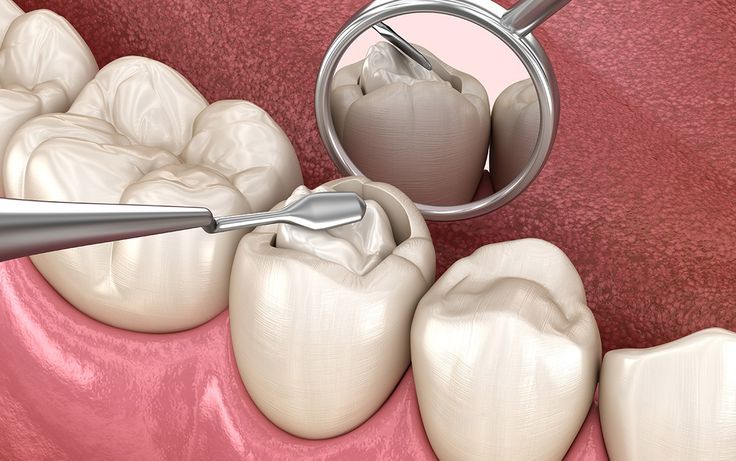
Restore Decayed or Damaged Teeth With Dental Filling Treatment
Dental filling treatment is commonly used to restore teeth affected by cavities, tooth decay, or certain types of minor tooth damage. A filling can restore the affected portion of a tooth and help maintain its shape and function when enough healthy tooth structure remains.
If you are looking for a dental filling in Kalapatti, Coimbatore, the appropriate treatment depends on the extent, location, and condition of the affected tooth. A dental examination can help determine whether a filling is suitable or whether another restorative treatment is more appropriate.
At Gold's Dental Clinic in Kalapatti, Coimbatore, patients can discuss their tooth concerns with Dr. Thangadurai Paramasivam, Cosmetic Dental Surgeon and Consultant Advanced Oral Implantologist, and understand the appropriate treatment options based on their individual dental condition.
With 3+ years of clinical experience, Dr. Thangadurai Paramasivam assesses decayed, damaged, or weakened teeth and recommends suitable restorative care according to the condition of the tooth.
Book Your ConsultationWhat Is a Dental Filling?
A dental filling is a restorative treatment used to repair a tooth affected by decay, a cavity, or certain types of minor structural damage.
When tooth decay creates a cavity, the affected portion of the tooth may need to be removed before the remaining area is restored with a suitable filling material.
A dental filling can help:
- Restore the shape of the affected tooth
- Fill an area created by tooth decay
- Restore part of the tooth that has been damaged
- Support normal tooth function
- Reduce the likelihood of food becoming trapped in the cavity
- Preserve the remaining healthy tooth structure when appropriate
The type of filling and treatment approach depends on the condition of the tooth, size and location of the cavity, and the amount of healthy tooth structure remaining.
When Do You Need a Dental Filling?
A dental filling may be recommended when a tooth has a cavity, tooth decay, or certain types of minor structural damage that can be appropriately restored with a filling. A cavity does not always cause noticeable symptoms in its early stages, so a dental examination is important when there is a concern about tooth decay.
A filling may be considered for:
- Tooth decay or small to moderate cavities
- A damaged portion of a tooth
- Worn areas of a tooth
- Certain defects affecting the tooth surface
- A small chip or minor tooth damage
- Replacement of an existing filling when clinically required
Some changes may indicate that a tooth needs professional assessment:
Tooth Sensitivity or Discomfort
Sensitivity to hot, cold, sweet, or acidic foods and drinks can sometimes be associated with tooth decay. Toothache or discomfort, particularly while eating or drinking, may also indicate an underlying dental problem.
Visible Cavity or Dark Area
A visible hole, pit, or discoloured area on a tooth may be associated with tooth decay and should be examined by a dentist.
Food Getting Trapped
If food repeatedly becomes trapped in or around a particular tooth, it may indicate a cavity or another structural problem.
Chipped or Damaged Tooth
A small chip or damaged area may sometimes be restored with a filling, depending on the amount and location of the damaged tooth structure.
These signs do not confirm that a filling is required. If decay is extensive or the tooth has significant structural damage, another treatment such as a dental crown or root canal treatment may be more appropriate. A dental examination is therefore necessary to determine the most suitable restoration.
How Does Tooth Decay Lead to the Need for a Filling?
Tooth decay develops when acids produced by bacteria contribute to the breakdown of tooth enamel and the underlying tooth structure.
The process can develop gradually:
- Plaque accumulates on the tooth surface.
- Bacteria in plaque interact with sugars and produce acids.
- Repeated acid exposure can weaken tooth enamel.
- A cavity may develop as tooth structure is lost.
- If the decay progresses, restorative treatment may become necessary.
When the decay is limited enough to be restored with a filling, the dentist can remove the affected tooth structure and restore the area with an appropriate material. This is one reason why early dental assessment can be useful when tooth decay or a cavity is suspected.
What Happens During a Dental Filling Procedure?
A dental filling procedure generally involves examining the affected tooth, preparing the area, removing decayed tooth structure when necessary, and restoring the tooth with filling material.
Examining the Affected Tooth
Your dentist first evaluates the tooth to understand the extent of decay or damage. Dental X-rays may be recommended when additional information is needed to assess the tooth.
Preparing the Treatment Area
The tooth and surrounding area are prepared so that the affected portion can be treated appropriately.
Removing Decayed Tooth Structure
If decay is present, the affected tooth structure is removed while preserving as much healthy tooth structure as clinically possible.
Placing the Filling Material
The selected filling material is placed into the prepared area and shaped to restore the tooth's form.
Checking the Bite
After the restoration is placed, your dentist may check your bite and make adjustments if necessary so that the restored tooth functions comfortably.
The exact procedure can vary depending on the size and location of the cavity, the tooth being treated, and the filling material selected.
What Types of Dental Fillings Are Available?
Different filling materials may be used depending on the tooth, location of the cavity, amount of remaining tooth structure, functional requirements, and aesthetic considerations.
Composite or Tooth-Coloured Fillings
Composite fillings are tooth-coloured restorations designed to blend more closely with the natural appearance of the tooth. They may be considered for visible teeth and other suitable areas where an aesthetic restoration is desired.
Other Filling Materials
Other restorative materials may be appropriate in specific clinical situations. The choice of material can depend on location of the tooth, size and depth of the cavity, amount of remaining tooth structure, functional forces on the tooth, aesthetic requirements, and individual oral health.
Your dentist can assess the affected tooth and explain which filling material is appropriate for your particular restoration.
Can a Dental Filling Restore a Broken or Worn Tooth?
A filling can sometimes restore a tooth with a small chip, minor fracture, or worn area, but its suitability depends on how much tooth structure has been affected.
For limited damage, a tooth-coloured filling may be used to rebuild part of the tooth when appropriate. However, if a large portion of the tooth is missing or the remaining structure is significantly weakened, a dental crown or another restorative treatment may be more suitable.
The extent and location of the damage need to be assessed before selecting the appropriate restoration.
Are Dental Fillings Painful?
The level of discomfort during a dental filling depends on the depth and location of the cavity, the tooth being treated, and individual sensitivity.
Local anaesthesia may be used when appropriate to keep the treatment area comfortable during the procedure. Your dentist can explain whether anaesthesia is likely to be required based on the condition of the tooth.
After the procedure, some patients may experience temporary:
- Tooth sensitivity
- Mild tenderness
- Sensitivity to hot or cold
- Slight discomfort while chewing
These symptoms can vary depending on the extent of the treatment. If sensitivity persists, becomes stronger, or is accompanied by significant pain or swelling, the restored tooth should be assessed by your dentist.
How Long Does a Dental Filling Take?
The time required for a dental filling depends on the size and location of the cavity, the number of teeth being treated, and the type of filling being placed.
A relatively small cavity may require a shorter appointment, while a larger or more complex restoration may take longer.
Treatment time may also vary when:
- Multiple teeth require fillings
- The cavity is in a difficult-to-access area
- Additional examination is necessary
- The tooth requires more extensive preparation
- An existing restoration needs to be removed or replaced
Your dentist can provide a more specific estimate after examining the affected tooth.
What Should You Expect After a Dental Filling?
After a dental filling, the restored tooth may initially feel slightly different while you become accustomed to the restoration.
Some patients may experience temporary:
- Sensitivity to hot or cold
- Mild tenderness
- Slight sensitivity while biting
- A feeling that the restored tooth is different from the surrounding teeth
Your dentist may provide specific instructions about eating, oral hygiene, and caring for the treated tooth depending on the filling material and procedure used. If you notice persistent pain, significant sensitivity, swelling, or discomfort when biting, the tooth should be reassessed.
How Should You Care for a Dental Filling?
A dental filling restores the affected tooth, but the tooth can still develop new decay. Maintaining good oral hygiene and attending regular dental examinations are therefore important after treatment.
Brush With Fluoride Toothpaste
Brush your teeth regularly using an appropriate technique and fluoride toothpaste to help control plaque and support the health of the restored tooth.
Clean Between Your Teeth
Cleaning between your teeth helps remove plaque and food particles from areas that a toothbrush may not reach effectively, particularly around restored and neighbouring teeth.
Maintain Regular Dental Check-Ups
Routine examinations allow your dentist to monitor the filling, surrounding tooth structure, and overall oral health, including wear, damage, leakage, or new decay.
Address New Symptoms
If you notice persistent sensitivity, pain, a rough or damaged filling, or food repeatedly becoming trapped around the restoration, arrange a dental examination rather than ignoring the change.
How Long Does a Dental Filling Last?
There is no fixed lifespan that applies to every dental filling. The durability of a restoration depends on several factors, including the filling material, size and location of the restoration, biting forces, oral hygiene, and the condition of the tooth.
A filling may eventually require repair or replacement if it becomes:
- Worn
- Damaged
- Loose
- Fractured
- Affected by new decay around the restoration
Regular dental examinations can help your dentist monitor the condition of existing fillings. The longevity of a filling should therefore not be described with a guaranteed number of years because individual results can vary.
Can a Dental Filling Fall Out?
Yes, a dental filling can become loose, damaged, or dislodged in some circumstances. If a filling falls out, the underlying tooth may become more sensitive because the previously restored area is exposed.
Until you can see your dentist:
- Keep the area clean
- Brush gently around the affected tooth
- Avoid repeatedly touching the area
- Avoid chewing hard foods on that side if the tooth is sensitive
- Arrange a dental examination
A lost filling does not always mean that the same type of filling can simply be replaced. Your dentist may need to check for new decay, damage to the remaining tooth structure, or other changes before deciding on the appropriate restoration.
When Is a Dental Filling Not the Right Treatment?
A dental filling may not be appropriate when a tooth has extensive decay, significant structural damage, or problems involving the inner pulp. Depending on the condition of the tooth, your dentist may consider another treatment.
Dental Crown
A dental crown may be considered when a substantial amount of tooth structure has been lost or the remaining tooth requires additional protection.
Root Canal Treatment
Root canal treatment may be required when the dental pulp inside the tooth becomes inflamed or infected. A deep cavity, significant tooth damage, or other factors can sometimes affect the pulp.
Other Restorative Treatment
Some teeth may require a different restorative approach depending on their condition, location, and amount of remaining healthy structure.
The appropriate treatment cannot be determined from symptoms alone. A dental examination is necessary to assess the tooth and decide whether a filling or another restorative procedure is suitable.
What Happens If a Cavity Is Left Without Treatment?
A cavity that is not treated may continue to progress and affect more of the tooth structure. As decay becomes more extensive, treatment may become more complex. A tooth that could initially have been restored with a filling may eventually require a larger restoration or, if the inner pulp becomes affected, root canal treatment.
Possible progression can involve:
- Increasing tooth sensitivity
- Toothache or discomfort
- Greater loss of tooth structure
- Difficulty chewing
- Pulp involvement
- Need for more extensive restorative treatment
Not every cavity progresses at the same rate, but prompt dental assessment when decay is suspected can help determine the appropriate treatment before the problem becomes more extensive.
Can a Dental Filling Prevent Further Tooth Decay?
A dental filling restores a tooth after the decayed portion has been treated, but it does not make the tooth permanently resistant to future decay.
New decay can develop around an existing filling or on another part of the tooth if plaque remains on the teeth and other risk factors are not controlled.
To help protect a restored tooth, maintain:
- Regular brushing with fluoride toothpaste
- Cleaning between the teeth
- Good plaque control
- Appropriate dietary habits
- Regular dental examinations
- Professional cleaning when recommended
Your dentist may also recommend additional preventive measures depending on your cavity risk and overall oral health.
What Is the Difference Between a Dental Filling and a Dental Crown?
A dental filling generally restores a limited area of a tooth, while a dental crown covers and protects a larger portion of a tooth.
Dental Filling
A filling may be appropriate for small or moderate cavities, limited areas of tooth decay, certain minor chips or defects, and restoring a portion of a tooth when sufficient healthy structure remains.
Dental Crown
A crown may be considered when a substantial amount of tooth structure has been lost, the tooth is significantly weakened, a large restoration is required, or the remaining tooth needs additional structural protection.
The choice depends on the amount of healthy tooth structure remaining, location of the tooth, extent of damage, and functional requirements.
What Is the Difference Between a Dental Filling and Root Canal Treatment?
A dental filling restores damaged tooth structure, whereas root canal treatment addresses problems involving the inner pulp of a tooth.
A filling may be sufficient when decay has affected the tooth but has not caused significant damage to the pulp. Root canal treatment may be considered when the pulp becomes inflamed or infected, which can occur with deep decay, significant tooth damage, or other causes.
Symptoms such as persistent tooth pain, prolonged sensitivity, or pain that occurs without an obvious trigger should be professionally assessed rather than assuming that a filling will be sufficient.
What Should You Do If a Dental Filling Falls Out?
If a dental filling falls out, arrange a dental appointment so the tooth can be examined and the appropriate restoration can be determined.
Until you see your dentist:
- Keep the affected area clean
- Brush gently around the tooth
- Avoid repeatedly touching the exposed area
- Avoid chewing hard foods on that side if the tooth is sensitive
- Follow your normal oral hygiene routine carefully
A lost filling does not always mean that another filling can simply be placed. Your dentist may need to check whether there is new decay, damage to the remaining tooth structure, or another underlying problem. If the tooth develops significant pain, swelling, or other concerning symptoms, seek dental assessment promptly.
Can You Get a Dental Filling If Your Tooth Hurts?
A painful tooth may sometimes require a filling, but tooth pain does not by itself determine which treatment is appropriate.
Tooth pain can have several possible causes, including:
- Tooth decay
- A deep cavity
- Tooth fracture
- Pulp inflammation
- Gum-related problems
- Tooth sensitivity
- Problems with an existing restoration
If the problem is limited to decay that can be restored, a filling may be appropriate. However, if the decay has affected the pulp or the tooth has significant structural damage, another treatment may be required. A dental examination is therefore important before deciding whether a painful tooth should be treated with a filling.
What Should You Ask a Dentist Before Getting a Dental Filling?
Before undergoing dental filling treatment, you can ask your dentist:
- How extensive is the cavity?
- Is a filling the appropriate treatment for this tooth?
- What filling material is recommended?
- Why is this material suitable for my tooth?
- Will local anaesthesia be required?
- How long is the procedure expected to take?
- Could I experience sensitivity afterwards?
- How should I care for the restored tooth?
- How should the filling be monitored?
- Could the tooth require a crown or root canal treatment instead?
Understanding why the filling is recommended, what material will be used, what to expect during treatment, and what alternatives may exist can help you make an informed decision about your dental care.
How Much Does Dental Filling Cost in Kalapatti, Coimbatore?
The cost of dental filling in Kalapatti, Coimbatore varies depending on the condition of the tooth, size and location of the cavity, filling material selected, and complexity of the restoration.
The cost may depend on:
- Number of teeth requiring treatment
- Size and depth of the cavity
- Location of the affected tooth
- Type of filling material
- Amount of tooth structure requiring restoration
- Whether dental X-rays or additional assessment are needed
- Whether another dental treatment is required
A dental examination is necessary to determine whether a filling is appropriate and provide an individual treatment estimate.
FAQs
Frequently Asked Questions About Dental Fillings
A dental filling is a restorative treatment used to repair a tooth affected by tooth decay, a cavity, or certain types of minor structural damage. The affected area is treated and restored using an appropriate filling material.
Yes. "Teeth filling" and "dental filling" generally refer to the same type of restorative treatment. Both terms describe restoring a tooth affected by decay or suitable minor damage with a filling material.
Yes. A dental filling can restore a tooth when the cavity is suitable for filling. The decayed portion is removed and the resulting area is restored with an appropriate filling material.
The level of discomfort varies depending on the depth and location of the cavity and individual sensitivity. Local anaesthesia may be used when appropriate, and temporary sensitivity can occur after treatment.
Treatment time depends on the size and location of the cavity, number of teeth being treated, filling material, and complexity of the restoration. Your dentist can provide a more specific estimate after examining the affected tooth.
There is no fixed lifespan for every dental filling. Its durability depends on factors such as the filling material, size and location of the restoration, biting forces, oral hygiene, and condition of the tooth.
Yes, a filling can become loose, damaged, or dislodged in some circumstances. If this happens, the tooth should be examined to determine whether it can be restored with another filling or requires a different treatment.
A painful tooth may sometimes require a filling, but tooth pain can have several causes. A dental examination is necessary to determine whether the problem is a cavity suitable for filling or requires another treatment.
There is no single filling material that is best for every tooth. The choice depends on the tooth's location, size of the cavity, remaining tooth structure, functional requirements, aesthetic considerations, and individual dental needs.
Yes. Composite fillings are tooth-coloured restorations that can blend more closely with the natural appearance of the tooth. They may be suitable for cavities where an aesthetic restoration is appropriate.
A filling may not be appropriate when a tooth has extensive decay, significant structural damage, or problems involving the inner pulp. Depending on the condition, a dental crown or root canal treatment may be considered.
The cost depends on the size and location of the cavity, filling material, number of teeth treated, and complexity of the restoration. A dental examination is needed to provide an individual estimate.
Teeth Filling in Kalapatti, Coimbatore
If you are looking for teeth filling in Kalapatti, Coimbatore because of a cavity, tooth decay, sensitivity, or minor tooth damage, a dental examination can help determine whether a filling is appropriate.
At Gold's Dental Clinic in Kalapatti, Coimbatore, you can discuss your dental concern with Dr. Thangadurai Paramasivam, BDS, Dental Surgeon and Consultant Advanced Oral Implantologist.
The appropriate restorative treatment depends on the condition of the affected tooth. A filling may be suitable for a limited area of decay, while a more extensively damaged or weakened tooth may require another restorative approach.
Dental Filling Doctor in Kalapatti, Coimbatore
If you are looking for a dental filling doctor in Kalapatti, a professional examination can help identify the cause of your tooth concern and determine whether a filling is suitable.
At Gold's Dental Clinic, Dr. Thangadurai Paramasivam, Cosmetic Dental Surgeon and Consultant Advanced Oral Implantologist, can assess the affected tooth and discuss appropriate restorative options based on its condition.
Whether the concern involves a cavity, tooth decay, minor tooth damage, an existing filling, or tooth sensitivity, the recommended treatment can be determined after a proper dental assessment.
Book a Dental Filling Consultation in Kalapatti, Coimbatore
Have you noticed tooth sensitivity, toothache, a visible cavity, food getting trapped around a tooth, or a chipped or damaged tooth?
A professional dental examination can help identify the cause and determine whether dental filling treatment is appropriate.
At Gold's Dental Clinic, you can discuss your tooth concern with Dr. Thangadurai Paramasivam, Cosmetic Dental Surgeon and Consultant Advanced Oral Implantologist, and understand the available restorative treatment options based on your individual dental condition.
Schedule Your Dental ConsultationVisit Gold's Dental Clinic
Clinic Address
Gold's Dental Clinic
First Floor, 31/2, Vilanguruchi Road,
Near Four Function, Above Apollo Pharmacy,
Kalapatti, Coimbatore, Tamil Nadu - 641048.
Medical Disclaimer
The information on this page is provided for general educational purposes and does not replace a professional dental examination, diagnosis, or personalised treatment advice. The appropriate filling material, treatment method, duration, cost, and expected outcome can vary depending on the individual tooth and overall oral health.