Periodontist in Kalapatti, Coimbatore for Comprehensive Gum Treatment & Periodontal Care
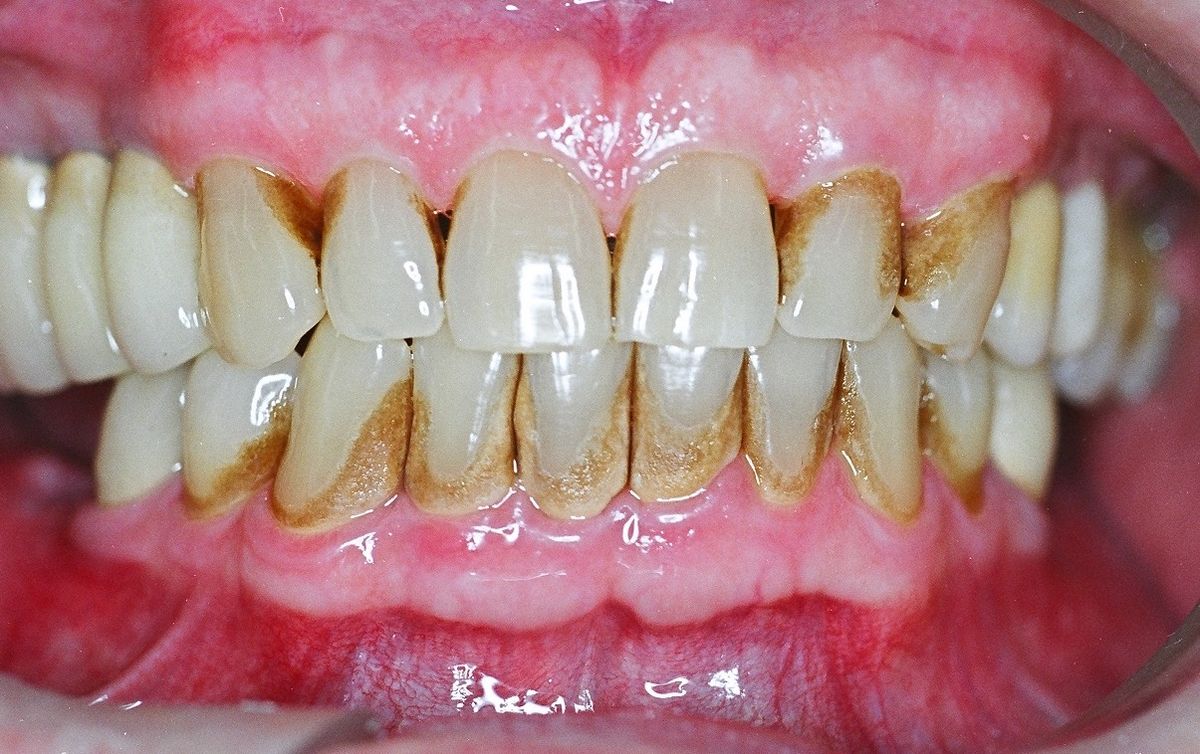
Understanding Gum Disease and Its Impact on Your Oral Health
Healthy gums are an important part of maintaining strong teeth and overall oral health. Problems such as gum inflammation, bleeding gums, swelling, gum recession, and persistent bad breath can sometimes indicate an underlying periodontal condition that requires professional evaluation.
Periodontal disease affects the gums and the supporting tissues around the teeth. It can range from early gum inflammation to more advanced conditions that affect the tissues and bone supporting the teeth.
At Gold's Dental Clinic in Kalapatti, Coimbatore, patients can discuss gum-related concerns and receive an appropriate dental assessment to understand whether gum treatment or ongoing periodontal care is required.
The clinic is owned by Dr. Thangadurai Paramasivam, Cosmetic Dental Surgeon and Consultant Advanced Oral Implantologist, with 3+ years of clinical experience.
Book Your ConsultationWhat Does a Periodontist Do?
A periodontist focuses on the health of the gums and the tissues supporting the teeth.
Periodontal care may involve evaluating and managing conditions such as:
- Gum inflammation
- Gingivitis
- Periodontitis
- Gum recession
- Gum infection
- Periodontal pockets
- Supporting tissue problems
- Tooth mobility related to periodontal conditions
A periodontal assessment can also be useful when gum health needs to be considered as part of other dental treatments, such as dental implants, crowns, bridges, or full mouth rehabilitation.
What Is Gum Disease?
Gum disease is a condition that affects the gums and, in more advanced stages, the tissues supporting the teeth.
It is commonly associated with the accumulation of plaque and tartar around the teeth. If gum inflammation is not appropriately managed, periodontal problems can develop and affect the supporting structures around the teeth.
Gum disease can generally be discussed in stages, including gingivitis and periodontitis.
What Are the Different Stages of Gum Disease?
Gingivitis
Gingivitis is inflammation of the gums and is commonly associated with plaque accumulation.
The gums may become red, swollen, tender, and more likely to bleed during brushing or cleaning.
Professional dental care and improved oral hygiene can help manage gum inflammation.
Periodontitis
Periodontitis is a more advanced form of periodontal disease that can affect the tissues supporting the teeth.
It may be associated with deeper gum pockets, gum recession, changes in supporting bone, tooth mobility, and persistent gum inflammation.
A professional periodontal examination is important to determine the extent of the condition and appropriate treatment.
Advanced Periodontal Disease
When periodontal disease becomes more advanced, the supporting tissues and bone around the teeth may be significantly affected.
This can contribute to increased tooth mobility, changes in tooth position, further gum recession, and loss of supporting bone.
The severity varies between individuals, so appropriate assessment is necessary before deciding on treatment.
What Are the Common Signs of Gum Disease?
Recognising changes in your gums can help you seek professional assessment before periodontal problems become more extensive.
Bleeding Gums
Gums that repeatedly bleed during brushing or cleaning may indicate gum inflammation or periodontal disease.
Swollen or Red Gums
Healthy gums generally should not remain persistently swollen, red, or tender.
Persistent Bad Breath
Ongoing bad breath can sometimes be associated with gum disease, although it can also have other causes.
Receding Gums
Gum recession can expose more of the tooth surface and may have several possible causes, including periodontal problems.
Loose or Shifting Teeth
Tooth mobility or changes in tooth position can occur when the supporting tissues and bone around teeth are affected.
Gum Tenderness
Persistent tenderness or discomfort around the gums should be assessed, particularly when accompanied by other gum-related symptoms.
What Causes Gum Disease?
Plaque accumulation is an important factor in the development of gum disease. When plaque is not adequately removed, it can contribute to gum inflammation and may eventually harden into tartar.
Several factors can influence gum health.
Plaque and Tartar Buildup
Plaque is a sticky bacterial film that forms on teeth. If it is not adequately removed, it can contribute to gum inflammation.
Tartar is hardened dental plaque that cannot usually be removed through normal brushing and may require professional cleaning.
Poor Oral Hygiene
Inadequate brushing and cleaning between teeth can allow plaque to accumulate around the teeth and gumline.
Smoking and Tobacco Use
Smoking and tobacco use can negatively affect gum health and may increase the risk of periodontal problems.
Certain Medical and Lifestyle Factors
Some medical conditions, medications, lifestyle factors, and individual characteristics can influence gum health and the response to periodontal disease. Your dentist can assess your individual risk factors as part of a comprehensive dental examination.
Why Should Gum Disease Be Addressed Early?
Early assessment of gum problems can help identify inflammation or periodontal disease before it becomes more extensive.
Addressing gum problems at an appropriate stage may help:
- Manage gum inflammation
- Control plaque and tartar accumulation
- Monitor gum pocket changes
- Protect the supporting tissues around teeth
- Determine whether periodontal treatment is required
- Establish an appropriate long-term gum-care plan
Not every patient experiences significant pain with gum disease, so persistent changes in gum health should not be ignored.
Who May Need Gum Treatment?
A gum treatment assessment in Kalapatti may be appropriate for patients experiencing persistent or recurring gum problems such as:
- Bleeding gums
- Gum swelling
- Gum redness
- Gum tenderness
- Gum recession
- Persistent bad breath
- Loose or shifting teeth
- Plaque and tartar buildup
- A previous history of periodontal disease
The appropriate treatment depends on the condition of your gums and the tissues supporting your teeth.
What Happens During a Periodontal Examination?
A periodontal examination helps assess the health of your gums and the tissues supporting your teeth. It can be recommended when you have persistent gum symptoms or when your dentist needs to evaluate your periodontal health as part of a wider treatment plan.
The examination may include:
- Reviewing your dental and gum-related concerns
- Examining the appearance and condition of the gums
- Checking plaque and tartar buildup
- Measuring gum pocket depth
- Checking for gum recession
- Assessing tooth mobility
- Evaluating the tissues supporting the teeth
- Taking dental imaging when required
The findings help determine whether you need preventive care, gum treatment, periodontal maintenance, or further evaluation.
How Is Gum Disease Diagnosed?
Gum disease is diagnosed using clinical findings and, when required, dental imaging.
Your dentist may evaluate:
- Gum inflammation
- Bleeding during examination
- Periodontal pocket depth
- Gum recession
- Tooth mobility
- Supporting bone levels
- Plaque and tartar accumulation
These findings can help distinguish between gum inflammation and more advanced periodontal disease and guide the appropriate treatment plan.
What Gum Treatments May Be Recommended?
The appropriate gum treatment in Kalapatti depends on the condition and extent of the periodontal problem.
Professional Dental Cleaning
Professional cleaning can help remove plaque and tartar deposits from areas that may be difficult to clean effectively through routine brushing. It may be recommended for preventive care or as part of managing early gum inflammation.
Professional Deep Cleaning
When plaque and tartar have accumulated around or below the gumline, a deeper professional cleaning approach may be recommended. The exact treatment depends on the condition of the gums and the extent of periodontal involvement.
Periodontal Maintenance
Periodontal maintenance involves ongoing monitoring and professional cleaning after gum disease has been treated or controlled. It can help your dental team monitor gum health, plaque and tartar accumulation, periodontal pockets, gum inflammation, and supporting tissues.
Treatment for Gum Recession
Gum recession occurs when the gum tissue moves away from the tooth and exposes more of the tooth surface. Management depends on the cause and severity of the recession.
Treatment for Advanced Periodontal Problems
More advanced periodontal disease may require treatment beyond routine professional cleaning. The appropriate approach depends on periodontal pocket depth, gum condition, supporting bone, tooth mobility, and overall periodontal health.
What Is Scaling and Root Planing?
Scaling and root planing is a periodontal treatment used to remove plaque and tartar from tooth surfaces, including areas below the gumline, and clean affected root surfaces.
Scaling focuses on removing deposits from the teeth, while root planing involves cleaning the affected root surfaces.
It may be recommended when periodontal disease has resulted in deposits below the gumline that require deeper professional cleaning.
The number of treatment sessions depends on the extent of the periodontal problem and the areas affected.
Is Gum Treatment Painful?
The level of discomfort during gum treatment depends on the type and extent of treatment being performed.
Routine professional cleaning may cause little discomfort, while deeper periodontal procedures may result in temporary sensitivity or tenderness.
Local anaesthesia may be used when appropriate to improve comfort during certain procedures.
After treatment, some patients may experience temporary gum tenderness, tooth sensitivity, mild soreness, or sensitivity to hot or cold.
Your dentist can explain what to expect based on the specific treatment recommended.
How Long Does Gum Treatment Take?
There is no single treatment duration for gum disease because the required treatment depends on the condition of your gums and supporting tissues.
The timeline may be influenced by:
- Severity of gum disease
- Amount of plaque and tartar
- Number of affected areas
- Periodontal pocket depth
- Gum recession
- Supporting bone condition
- Type of treatment required
- Number of treatment sessions
- Response to treatment
A routine professional cleaning may require less time than periodontal treatment involving several areas of the mouth.
What Happens After Gum Treatment?
After gum treatment, maintaining good oral hygiene and following your dentist's instructions are important parts of periodontal care.
Your dentist may recommend:
- Regular brushing
- Cleaning between the teeth
- Appropriate oral hygiene techniques
- Professional cleaning when required
- Periodontal maintenance visits
- Follow-up examinations
Some periodontal procedures can cause temporary tenderness or sensitivity. Follow the specific aftercare instructions provided by your dental team.
How Can You Maintain Healthy Gums After Treatment?
Brush Your Teeth Regularly
Brush your teeth using an appropriate technique and toothbrush suited to your oral condition.
Clean Between Your Teeth
Cleaning between the teeth helps remove plaque from areas that a toothbrush may not reach effectively.
Attend Regular Dental Visits
Regular dental examinations can help identify changes in gum health and allow appropriate care to be provided.
Follow Periodontal Maintenance Recommendations
If you have a history of periodontal disease, your dentist may recommend periodic maintenance visits based on your individual gum condition.
Avoid Habits That Can Affect Gum Health
Smoking and tobacco use can negatively affect periodontal health. Discuss your individual risk factors with your dental professional.
Can Gum Disease Affect Dental Implants?
Gum and periodontal health are important considerations when planning and maintaining dental implants.
Patients considering implant treatment may require an assessment of their gums and supporting tissues before implant placement.
If periodontal problems are present, they may need to be addressed as part of the overall treatment plan.
This is particularly relevant when dental implants are being considered as part of full mouth rehabilitation.
What Happens If Gum Disease Is Left Untreated?
Untreated gum disease can progress from gum inflammation to problems affecting the tissues and bone that support the teeth. The progression varies between individuals, and some people may experience few noticeable symptoms while periodontal disease develops.
Persistent Gum Inflammation
Ongoing inflammation can affect the health of the gums and may contribute to more advanced periodontal problems if it is not appropriately managed.
Increasing Gum Pocket Depth
As periodontal disease progresses, the space between the gums and teeth can become deeper, making plaque and tartar more difficult to control.
Gum Recession and Supporting Tissue Changes
Advanced periodontal problems may be associated with gum recession and changes to the tissues supporting the teeth.
Tooth Mobility
When the tissues and bone supporting a tooth are affected, the tooth may become loose or change position.
If you notice persistent bleeding, swelling, gum recession, bad breath, or changes in tooth stability, a professional periodontal assessment can help identify the underlying condition and appropriate treatment.
Can Gum Problems Affect Your Overall Dental Treatment Plan?
Yes. The condition of your gums can be an important consideration when planning other dental treatments. Gum health may need to be assessed and managed as part of comprehensive dental care.
Before Dental Implant Treatment
The gums and supporting tissues may be evaluated before implant treatment. If periodontal problems are present, they may need to be addressed as part of the overall treatment plan.
Before Crowns and Bridges
The condition of the gums around teeth receiving crowns or supporting a bridge can be considered during restorative treatment planning.
During Full Mouth Rehabilitation
When several dental problems are being treated together, gum health can form an important part of the full mouth rehabilitation plan.
During Aesthetic Dental Treatment
Healthy gums contribute to the appearance and maintenance of aesthetic dental treatments. Gum-related concerns may therefore need to be considered before certain cosmetic procedures.
This means gum treatment is not always an isolated procedure. Periodontal health can influence the planning, timing, and maintenance of other dental treatments.
How Much Does Gum Treatment Cost in Kalapatti, Coimbatore?
The cost of gum treatment in Kalapatti, Coimbatore varies depending on the condition of your gums, the extent of periodontal disease, and the type of treatment required.
The overall cost may depend on:
- Severity of gum disease
- Number of teeth or areas affected
- Amount of plaque and tartar buildup
- Gum pocket depth
- Gum recession
- Type of periodontal treatment
- Number of treatment sessions
- Need for periodontal maintenance
- Additional dental treatment required
A periodontal examination is necessary to determine the appropriate treatment and provide an individual cost estimate.
Why Is Periodontal Care Important?
Periodontal care focuses on maintaining the health of the gums and the tissues that support your teeth.
Appropriate periodontal care can help:
- Manage gum inflammation
- Control plaque and tartar accumulation
- Monitor periodontal pocket changes
- Maintain gum health
- Support the tissues around natural teeth
- Identify changes in gum health
- Establish an appropriate long-term maintenance plan
Regular maintenance can be particularly important for patients who have previously experienced periodontal disease.
Can Gum Disease Be Prevented?
Many gum problems can be reduced through consistent oral hygiene and regular professional dental care, although prevention is not always completely within a person's control.
Helpful habits include:
- Brushing twice daily with an appropriate technique
- Cleaning between your teeth
- Having professional cleaning when recommended
- Attending regular dental examinations
- Following periodontal maintenance recommendations
- Avoiding smoking and tobacco use
If you notice persistent changes in your gums, a professional dental assessment is recommended.
What Is the Difference Between a Dentist and a Periodontist?
A general dentist provides a broad range of dental care, while a periodontist focuses specifically on the gums and supporting structures of the teeth.
Periodontal care may involve conditions affecting:
- Gums
- Periodontal tissues
- Supporting bone
- Tissues surrounding teeth
If you have persistent or complex gum-related concerns, a periodontal assessment may help determine the appropriate treatment approach.
FAQs
Frequently Asked Questions
A periodontist focuses on conditions affecting the gums and supporting tissues around the teeth, including periodontal disease, gum inflammation, gum recession, and other periodontal concerns.
Early signs can include bleeding gums, redness, swelling, tenderness, and persistent bad breath. A dental examination can help determine whether these symptoms are related to gum disease.
Yes. Bleeding gums can be a sign of gum inflammation or periodontal disease. Persistent or recurring bleeding should be assessed rather than ignored.
Yes. Gum disease can be associated with persistent bad breath. However, bad breath can have several causes, so a dental examination may be needed to identify the underlying reason.
Yes. Gum recession can be associated with periodontal problems, although it can also have other causes. The cause and extent of recession should be assessed by a dental professional.
Advanced periodontal disease can affect the tissues and bone supporting the teeth and may contribute to tooth mobility. A loose tooth should be professionally examined to determine its cause and appropriate treatment.
The outcome depends on the type and stage of gum disease. Early gum inflammation may be managed with appropriate professional care and improved oral hygiene, while established periodontal disease requires professional treatment and ongoing maintenance.
Scaling and root planing is a periodontal treatment used to remove plaque and tartar from tooth surfaces, including areas below the gumline, and clean affected root surfaces. It may be recommended when periodontal disease requires deeper cleaning than routine professional cleaning.
The level of discomfort depends on the type of gum treatment. Some procedures may cause temporary sensitivity or tenderness, and local anaesthesia may be used when appropriate.
The cost depends on the severity of the gum problem, areas affected, type of treatment, number of sessions, and any additional treatment required. An examination is needed for an individual estimate.
The recommended frequency depends on your gum health and history of periodontal disease. Your dentist can recommend an appropriate follow-up schedule based on your individual condition.
Appropriate periodontal treatment can help manage gum disease and support the tissues around the teeth. The long-term outlook depends on the severity of the disease, treatment response, oral hygiene, and ongoing maintenance.
Periodontist in Kalapatti, Coimbatore
If you are experiencing bleeding gums, swollen gums, gum recession, persistent bad breath, loose teeth, or other gum-related concerns, a periodontal assessment can help identify the underlying problem.
At Gold's Dental Clinic in Kalapatti, Coimbatore, you can discuss your gum concerns with Dr. Thangadurai Paramasivam, BDS, Dental Surgeon and Consultant Advanced Oral Implantologist, and understand the appropriate options for your individual dental condition.
Whether you are looking for gum treatment in Kalapatti, periodontal care, or an assessment of persistent gum problems, the first step is a professional dental examination.
Book a Gum Treatment Consultation in Kalapatti, Coimbatore
Concerned about bleeding gums, gum swelling, gum recession, bad breath, or loose teeth?
A professional assessment can help identify the cause of your gum concerns and determine whether you need gum treatment or ongoing periodontal care.
At Gold's Dental Clinic, you can discuss your gum health and treatment options with Dr. Thangadurai Paramasivam, Cosmetic Dental Surgeon and Consultant Advanced Oral Implantologist.
Schedule Your Dental ConsultationBook an appointment at Gold's Dental Clinic to discuss your gum health and periodontal treatment options.
Visit Gold's Dental Clinic
Clinic Address
Gold's Dental Clinic
First Floor, 31/2, Vilanguruchi Road,
Near Four Function, Above Apollo Pharmacy,
Kalapatti, Coimbatore, Tamil Nadu - 641048.
Medical Disclaimer
The information on this page is provided for general educational purposes and does not replace a professional dental examination, diagnosis, or personalised treatment advice. The type of gum treatment required, treatment duration, cost, and expected outcome can vary between individuals and should be determined after an appropriate dental assessment.