Dentures in Kalapatti, Coimbatore
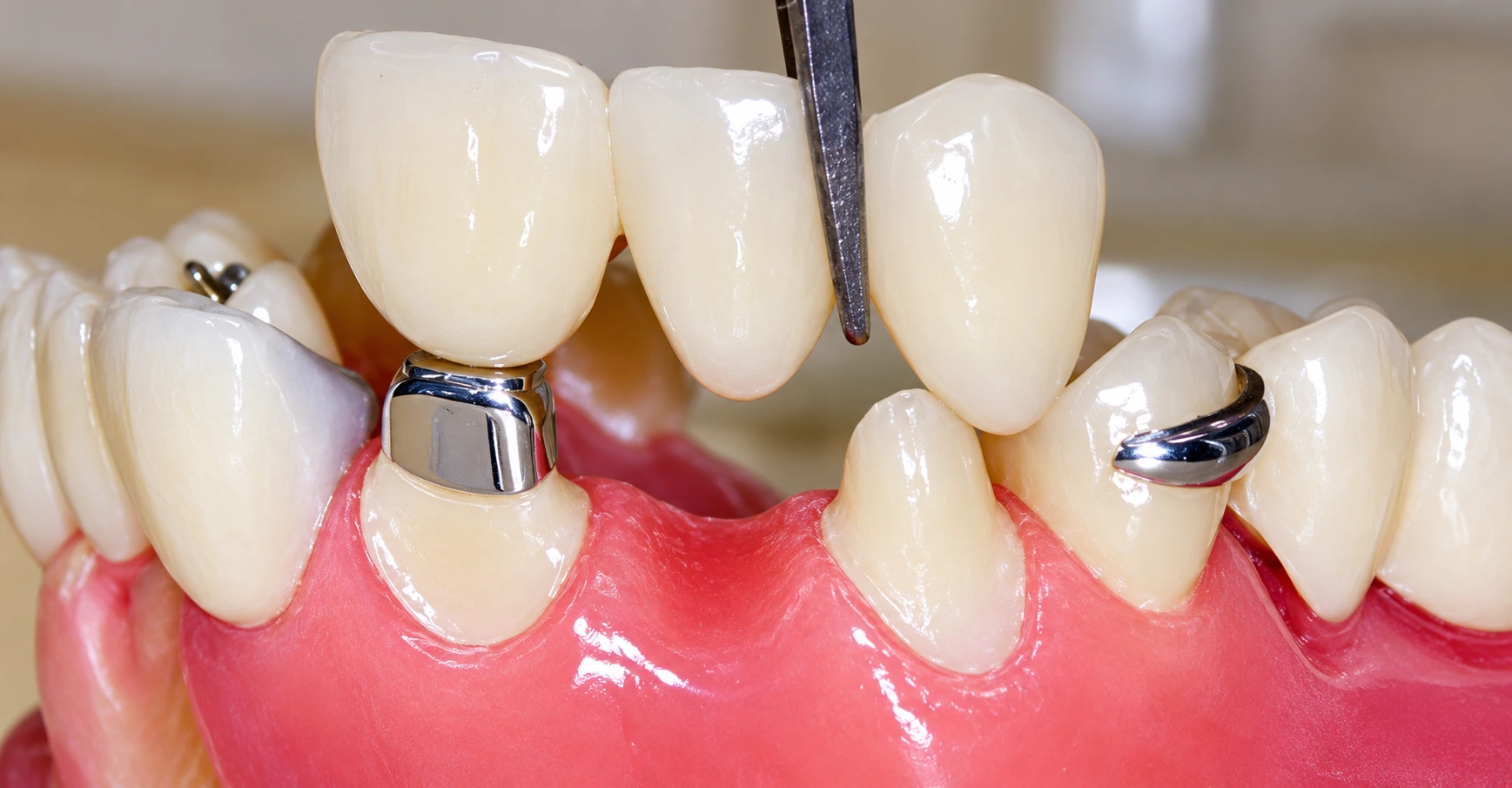
Restore Your Smile and Oral Function With Dentures
Dentures are removable dental appliances used to replace missing teeth and restore aspects of chewing, speech, and the appearance of the smile. They can be designed to replace several missing teeth or an entire dental arch, depending on the patient's pattern of tooth loss and oral condition.
If you are considering dentures in Kalapatti, Coimbatore, a dental assessment can help determine which type of tooth replacement is appropriate for you. Depending on the number of missing teeth, condition of the remaining teeth and gums, jawbone support, and your treatment preferences, options may include complete dentures, partial dentures, dental bridges, or implant-supported tooth replacement.
At Gold's Dental Clinic in Kalapatti, Coimbatore, patients can discuss their tooth-replacement needs with Dr. Thangadurai Paramasivam, Cosmetic Dental Surgeon and Consultant Advanced Oral Implantologist, and understand the available options based on their individual oral condition.
With 3+ years of clinical experience, Dr. Thangadurai Paramasivam can assess your remaining teeth, gums, and areas of tooth loss before discussing a suitable denture or other tooth-replacement approach.
Book Your ConsultationWhat Are Dentures?
Dentures are custom-made dental appliances designed to replace missing teeth and surrounding lost tooth structure where appropriate.
Depending on the patient's needs, dentures may replace:
- Several missing teeth
- Multiple teeth in different areas of the mouth
- All teeth in an upper dental arch
- All teeth in a lower dental arch
- Teeth that can no longer be predictably retained
Removable dentures can be taken out for cleaning and maintenance.
The design of a denture depends on the number and position of missing teeth, the condition of the remaining teeth and gums, the shape of the supporting tissues, and the patient's functional and cosmetic requirements.
When Might You Need Dentures?
Dentures may be considered when missing teeth affect chewing, speech, appearance, or everyday oral function.
A dentist may discuss dentures when you have:
- Multiple missing teeth
- Complete tooth loss in one dental arch
- Teeth that cannot be predictably retained
- Difficulty chewing because of missing teeth
- Changes in speech associated with tooth loss
- A need for a removable tooth-replacement option
- Difficulty maintaining function because of extensive tooth loss
However, dentures are not automatically the best option for every patient with missing teeth.
Your dentist may also consider dental bridges or dental implants, depending on the condition of your remaining teeth, gums, jawbone, overall oral health, and treatment preferences.
What Types of Dentures Are Available?
The main type of denture depends on whether you have some natural teeth remaining or have lost all teeth in a particular dental arch.
Complete Dentures
Complete dentures are used when all natural teeth are missing from an upper or lower dental arch. They replace the missing teeth and are designed to rest on the supporting oral tissues. Complete dentures may be considered for patients who have lost all or most of the teeth in an arch, depending on the individual condition.
Partial Dentures
Partial dentures are used when some natural teeth remain and one or more teeth are missing. They replace missing teeth while working alongside the remaining natural teeth. The design depends on the number and position of missing teeth and the condition and stability of the remaining teeth.
Removable Dentures
Removable dentures can be taken out of the mouth for cleaning and maintenance. Both complete and partial dentures can be designed as removable appliances depending on the treatment plan.
Custom Dentures
Custom dentures are designed according to the individual's oral structures, tooth loss, remaining teeth, and tooth-replacement requirements. The shape, tooth arrangement, fit, and appearance can be planned according to the patient's individual needs.
What Is the Difference Between Complete and Partial Dentures?
Complete dentures replace all teeth in a dental arch, while partial dentures replace selected missing teeth when some natural teeth remain.
| Feature | Complete Dentures | Partial Dentures |
|---|---|---|
| Natural teeth remaining | Used when all teeth in an arch are missing | Some natural teeth remain |
| Purpose | Replaces an entire dental arch | Replaces selected missing teeth |
| Design | Designed for the edentulous arch | Designed around remaining teeth |
| Support | Supported by the oral tissues | Works with remaining teeth and oral structures |
| Suitable for | Complete tooth loss in an arch | Partial tooth loss |
The appropriate type depends on your individual pattern of tooth loss and the condition of your remaining teeth and oral tissues.
How Can Missing Teeth Affect Your Oral Health?
Missing teeth can affect more than the appearance of your smile. Depending on the number and location of missing teeth, tooth loss may affect chewing, speech, and the way remaining teeth function.
Patients with multiple missing teeth may experience:
- Difficulty chewing certain foods
- Changes in speech
- Changes in the appearance of the smile
- Reduced confidence while eating or speaking
- Changes in how remaining teeth contact one another
- Difficulty maintaining certain oral functions
The effect of tooth loss varies between individuals. A dental assessment can help determine whether tooth replacement is appropriate and which options may be suitable.
How Are Dentures Planned for Each Patient?
Denture treatment begins with an assessment of your mouth and the areas where teeth are missing rather than simply selecting a standard denture.
Your dentist may evaluate:
- Number and position of missing teeth
- Condition of remaining natural teeth
- Gum health
- Supporting oral tissues
- Jaw relationship
- Existing dental restorations
- Chewing and speech concerns
- Cosmetic preferences
- Whether another tooth-replacement option may be appropriate
Based on these findings, your dentist can discuss whether complete dentures, partial dentures, or another tooth-replacement treatment is suitable.
Can Dentures Restore Chewing and Speech?
Dentures can replace missing teeth and may help support chewing and speech, although adaptation varies between individuals.
New denture wearers may initially need time to learn how to chew comfortably with the appliance.
Speech may also feel different at first because the tongue and surrounding oral structures need to adapt to the new denture.
The fit and design of the denture can influence comfort and function. If a new denture causes persistent soreness, moves excessively, or makes speaking or eating difficult, a dental assessment and adjustment may be necessary.
How Are Dentures Made and Fitted?
Denture treatment involves assessing your mouth, planning the replacement teeth, recording the shape of the supporting tissues, and creating a denture designed for your individual oral anatomy. The process may include several stages.
Initial Dental Examination
Your dentist examines the areas where teeth are missing and evaluates the condition of your gums, remaining teeth, and supporting oral tissues. If you have existing teeth that require treatment, these concerns may need to be addressed before the denture is finalised.
Treatment Planning
The appropriate type of denture is discussed based on:
- Number of missing teeth
- Position of missing teeth
- Condition of remaining teeth
- Gum health
- Jaw relationship
- Functional requirements
- Cosmetic preferences
Dental Impressions or Digital Records
Records of your mouth may be taken to help create a denture that corresponds to the shape of your oral tissues and remaining teeth. The method used depends on the clinical approach and type of denture being fabricated.
Planning the Replacement Teeth
The size, shape, position, and appearance of the replacement teeth can be considered as part of the denture design.
Denture Fitting
Once the denture is fabricated, it is fitted and assessed for:
- Comfort
- Stability
- Appearance
- Jaw relationship and occlusion
- Speech
- Overall function
Adjustments may be required after the initial fitting.
What Should You Expect When You First Get Dentures?
It can take time to become accustomed to wearing new dentures. Your mouth, tongue, cheeks, and facial muscles may need to adapt to the new appliance.
During the adjustment period, you may notice:
- Increased awareness of the denture
- Mild gum tenderness
- Changes in speech
- Increased saliva production
- Difficulty chewing certain foods
- A different sensation when your teeth come together
These effects can vary between individuals.
If the denture causes persistent soreness, repeatedly slips out of position, or interferes with eating or speaking, your dentist can assess whether an adjustment is required.
How Can You Get Used to Eating With Dentures?
Learning to chew with new dentures may take practice, particularly during the initial adjustment period.
You may find it easier to begin with softer foods and gradually introduce foods that require more chewing as you become comfortable. It can also help to:
- Take smaller bites
- Chew slowly
- Distribute food between both sides of the mouth
- Avoid very hard or sticky foods initially
- Follow your dentist's specific recommendations
The ability to chew comfortably varies depending on the denture type, fit, oral anatomy, and individual adaptation.
Can Dentures Affect Speech?
New dentures can temporarily affect speech because the tongue and surrounding oral tissues need to adapt to the appliance.
Some people may initially notice difficulty pronouncing certain sounds or a change in the way they speak.
Regular use and practice can help with adaptation. If speech difficulties persist or the denture feels unstable during speaking, your dentist should evaluate the fit and position of the appliance.
How Should You Clean and Care for Dentures?
Regular denture cleaning helps maintain the appliance and supports the health of the gums and oral tissues.
Clean Removable Dentures Regularly
Remove and clean removable dentures according to your dentist's instructions to help control food particles and deposits.
Clean Your Remaining Natural Teeth
If you wear partial dentures, your remaining natural teeth still require regular brushing and interdental cleaning.
Clean Your Gums and Oral Tissues
The gums and other tissues supporting a removable denture should also be kept clean.
Handle the Denture Carefully
Dentures can be damaged if dropped or handled roughly. Handle them carefully when removing, cleaning, or storing them.
Follow Your Dentist's Instructions
Cleaning methods and storage recommendations can vary according to the denture material and design, so follow the instructions provided for your appliance.
Should You Sleep With Removable Dentures?
Whether a removable denture should be worn overnight depends on the individual treatment plan and your dentist's recommendations.
Many removable dentures are taken out for cleaning and to allow the supporting oral tissues to rest, but your specific instructions should come from your dental professional.
If you are unsure whether your denture should be removed at night, ask your dentist rather than assuming that the same routine is appropriate for every denture wearer.
What Causes Dentures to Become Loose?
Dentures can become loose when changes occur in the supporting gums and jawbone, when the denture becomes worn, or when its fit changes over time.
Other factors may include:
- Changes in the shape of the supporting tissues
- Wear of the denture
- Changes in the remaining teeth
- Poor initial fit
- Damage or distortion of the appliance
A loose denture may affect chewing and speaking and can sometimes cause sore areas.
Your dentist can determine whether the denture requires adjustment, relining, repair, or replacement.
When Should You Get Your Dentures Adjusted?
A denture should be assessed if it causes persistent discomfort, becomes unstable, or no longer functions comfortably.
Consider arranging a denture adjustment if:
- The denture repeatedly moves while eating
- You develop persistent sore spots
- The appliance feels uncomfortable
- Your bite feels different
- Speech becomes difficult
- Food repeatedly becomes trapped beneath the denture
- The denture has become loose
Do not attempt to reshape or permanently modify the denture yourself, as this can affect its fit.
When Do Dentures Need Repair or Replacement?
Dentures may require repair or replacement when they become damaged, worn, poorly fitting, or no longer provide satisfactory function.
A dentist can assess whether the appliance is suitable for:
- Adjustment
- Repair
- Relining
- Replacement
Replacement may be considered when the denture has significant damage, the supporting oral tissues have changed substantially, or the existing appliance can no longer provide an appropriate fit or function.
How Do Dentures Compare WithDental Implants?
Dentures and dental implants are different tooth-replacement options, and the appropriate choice depends on the patient's oral condition, treatment goals, and preferences.
Dentures
Dentures are removable appliances that can replace multiple missing teeth or an entire dental arch.
They may be considered when:
- Several teeth are missing
- All teeth in a dental arch are missing
- A removable treatment is preferred
- Implant treatment is not suitable or is not desired
Dental Implants
Dental implants are fixed tooth-replacement solutions that use implants placed in the jawbone to support a crown, bridge, or other restoration.
Implant treatment requires adequate assessment of the jawbone, gums, overall oral health, and other individual factors.
Neither option is automatically better for every patient. A dental assessment is necessary to determine which approach is appropriate.
How Are Dentures Different FromDental Bridges?
Dentures are generally removable, while a dental bridge is typically fixed in place and replaces one or more missing teeth using neighbouring teeth or implants for support.
A bridge may be considered when:
- A smaller number of teeth are missing
- Suitable supporting teeth are present
- A fixed tooth-replacement option is appropriate
Dentures may be considered when:
- Multiple teeth are missing
- A complete arch requires replacement
- A removable option is preferred
The condition of the remaining teeth and supporting tissues plays an important role in selecting between these options.
Can Dentures Replace All Missing Teeth?
Yes. Complete dentures can replace all missing teeth in an upper or lower dental arch when they are clinically suitable.
Complete dentures are designed to replace the visible teeth and provide a removable tooth-replacement option. Before treatment, your dentist evaluates:
- Condition of the gums
- Shape of the supporting tissues
- Jaw relationship
- Oral health
- Previous dentures, if applicable
- Functional and cosmetic requirements
In some cases, other options such as implant-supported restorations may also be discussed.
Can You Get Dentures If You Still Have Some Natural Teeth?
Yes. Partial dentures can be used when some natural teeth remain and one or more teeth are missing. A partial denture is designed around the remaining teeth and missing areas.
Before recommending a partial denture, your dentist may assess:
- Stability of remaining teeth
- Gum health
- Location of missing teeth
- Number of missing teeth
- Bite relationship
- Ability of the remaining teeth to support the planned design
If some remaining teeth have significant decay or gum disease, those conditions may need to be addressed before the denture is provided.
What Should You Do If Your Dentures Become Loose?
If your dentures become loose, uncomfortable, or unstable, arrange a dental assessment rather than trying to modify them yourself.
A loose denture can occur because of:
- Changes in the supporting gums and jawbone
- Wear of the denture
- Changes in the mouth over time
- Damage to the appliance
- Changes in the remaining natural teeth
- An inadequate fit
Depending on the cause, your dentist may recommend adjustment, relining, repair, or replacement.
Avoid using household adhesives or attempting to reshape the denture yourself, as this can interfere with the fit and potentially damage the appliance.
What Are Common Problems With New Dentures?
New dentures can require an adjustment period, and some temporary difficulties may occur while the mouth adapts to the appliance.
Common concerns can include:
- Mild gum soreness
- Difficulty chewing certain foods
- Changes in speech
- Increased saliva
- A feeling that the denture is bulky
- Movement of the denture during eating
Persistent discomfort or instability should not simply be accepted as part of wearing dentures. A dentist can assess the fit and determine whether an adjustment is required.
Can Dentures Improve the Appearance of Missing Teeth?
Dentures can replace missing teeth and may improve the appearance of the smile and facial profile associated with tooth loss.
The appearance of a denture depends on factors such as:
- Arrangement of the replacement teeth
- Tooth shape and size
- Colour selection
- Position of the teeth
- Relationship with the lips and surrounding tissues
- Design of the denture
Cosmetic expectations should be discussed during treatment planning so the denture can be designed according to the patient's individual requirements.
How Long Do Dentures Last?
There is no fixed lifespan that applies to every denture.
The useful life of a denture can be influenced by:
- Material and construction
- Daily use
- Oral hygiene
- Changes in the supporting tissues
- Wear and tear
- Accidental damage
- Changes in remaining natural teeth
Even when the denture itself remains intact, changes in the gums and jawbone can affect its fit over time.
Regular dental examinations can help determine whether the denture remains suitable or requires adjustment, relining, repair, or replacement.
How Much Do Dentures Cost in Kalapatti, Coimbatore?
The cost of dentures in Kalapatti, Coimbatore varies depending on the type of denture, number of teeth being replaced, materials used, design complexity, and condition of the patient's mouth.
The overall cost may depend on:
- Complete or partial denture
- Number of missing teeth
- Denture material
- Design and fabrication requirements
- Condition of remaining teeth
- Gum and oral health
- Preliminary dental treatment required
- Adjustments or follow-up care
A dental examination is necessary to determine the appropriate denture type and provide an individual treatment estimate.
FAQs
Frequently Asked Questions About Dentures
Dentures are removable dental appliances used to replace missing teeth. They can replace several missing teeth through a partial denture or replace all teeth in an upper or lower dental arch through a complete denture.
Complete dentures replace all teeth in a dental arch, while partial dentures replace selected missing teeth when some natural teeth remain. The appropriate type depends on the number and position of missing teeth and the condition of the remaining teeth and oral tissues.
Yes. Complete dentures can replace all missing teeth in an upper or lower dental arch when they are clinically suitable. Depending on the patient's condition, other options such as implant-supported tooth replacement may also be discussed.
Yes. Partial dentures can replace missing teeth when some natural teeth remain. The remaining teeth and gums need to be assessed to determine whether they can support the planned denture design.
Comfort depends on the denture design, fit, oral anatomy, and individual adaptation. New dentures may initially feel unusual and can cause mild tenderness while the mouth adjusts. Persistent soreness or instability should be assessed by a dentist.
Dentures can help restore chewing function, but adapting to eating with them may take time. Starting with softer foods and smaller bites may make the adjustment period easier. Your ability to chew comfortably depends on the denture type, fit, and individual oral condition.
New dentures can temporarily affect pronunciation because the tongue and surrounding tissues need to adapt to the appliance. Practice and adjustment can help improve comfort with speaking. If speech difficulties continue, the denture fit should be assessed.
There is no fixed lifespan for every denture. Wear, accidental damage, oral hygiene, changes in the supporting tissues, and changes in remaining teeth can all affect how long a denture remains suitable. Regular dental examinations can determine whether adjustment, repair, relining, or replacement is required.
Yes. Dentures can become loose as the shape of the supporting gums and jawbone changes over time. A loose denture may require adjustment, relining, repair, or replacement depending on the cause.
Whether a removable denture should be worn overnight depends on your individual treatment plan and your dentist's instructions. Ask your dentist about the appropriate wearing and cleaning routine for your specific denture.
Removable dentures should be cleaned regularly according to your dentist's instructions. Your remaining natural teeth, gums, and other oral tissues also require appropriate oral hygiene.
Some damaged dentures can be repaired, depending on the type and extent of damage. A dentist should examine the appliance to determine whether repair is appropriate or whether replacement would provide a better fit and function.
Dentures and dental implants are different tooth-replacement options, and neither is universally better for every patient.
The appropriate option depends on oral health, remaining teeth, jawbone condition, treatment goals, preferences, and other individual factors.
The cost of dentures in Kalapatti, Coimbatore depends on whether a complete or partial denture is required, the materials used, number of teeth being replaced, design complexity, and any preliminary dental treatment needed.
An individual assessment is required to provide an appropriate treatment estimate.
Dentist for Dentures in Kalapatti, Coimbatore
If you are looking for a dentist for dentures in Kalapatti, Coimbatore to replace missing teeth, a dental consultation can help determine which tooth-replacement option is appropriate for your oral condition.
At Gold's Dental Clinic in Kalapatti, Coimbatore, you can discuss your missing teeth and denture requirements with Dr. Thangadurai Paramasivam, BDS, Dental Surgeon and Consultant Advanced Oral Implantologist.
Your treatment plan can take into account:
- Number of missing teeth
- Condition of remaining teeth
- Gum health
- Chewing requirements
- Appearance and smile concerns
- Preference for removable or other tooth-replacement options
Depending on your condition, the recommended solution may include partial dentures, complete dentures, dental bridges, dental implants, or another appropriate restoration.
Book a Denture Consultation in Kalapatti, Coimbatore
If missing teeth are affecting your chewing, speech, smile, or everyday oral function, a professional dental assessment can help you understand your tooth-replacement options.
At Gold's Dental Clinic, you can discuss your concerns with Dr. Thangadurai Paramasivam, Cosmetic Dental Surgeon and Consultant Advanced Oral Implantologist, and determine whether dentures are suitable for your individual dental needs.
Schedule Your Denture ConsultationVisit Gold's Dental Clinic
Clinic Address
Gold's Dental Clinic
First Floor, 31/2, Vilanguruchi Road,
Near Four Function, Above Apollo Pharmacy,
Kalapatti, Coimbatore, Tamil Nadu - 641048.
Medical Disclaimer
The information on this page is provided for general educational purposes and does not replace a professional dental examination, diagnosis, or personalised treatment advice. The appropriate type of denture, material, fit, treatment duration, cost, and expected outcome can vary depending on the individual's tooth loss, oral tissues, remaining teeth, and overall oral health.