Maxillofacial Surgery in Kalapatti, Coimbatore
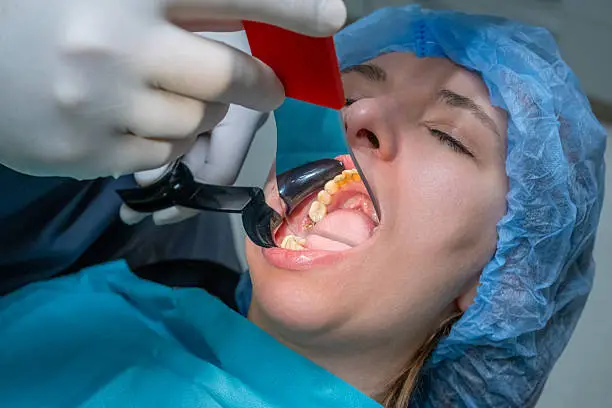
Oral and Maxillofacial Surgical Care for Complex Dental, Jaw & Facial Conditions
Maxillofacial surgery involves the diagnosis and surgical management of conditions affecting the mouth, jaws, face, and related structures. It covers a broad range of procedures, from complex tooth removal to surgical treatment of selected jaw, oral, and facial conditions.
If you are looking for maxillofacial surgery in Kalapatti, Coimbatore, the appropriate treatment depends on the underlying condition, its complexity, and the structures involved. Some conditions can be managed through dental treatment, while others may require evaluation by an appropriately qualified oral and maxillofacial surgeon or referral to a specialist or hospital.
At Gold's Dental Clinic in Kalapatti, Coimbatore, patients can discuss complex dental or oral concerns with Dr. Thangadurai Paramasivam, Cosmetic Dental Surgeon and Consultant Advanced Oral Implantologist, and understand whether surgical treatment, further investigation, or specialist referral may be appropriate.
The recommended approach depends on your individual dental and medical condition rather than assuming that surgery is required for every complex dental problem.
Book Your ConsultationWhat Is Oral and Maxillofacial Surgery?
Oral and maxillofacial surgery is a specialised area of surgical care involving conditions of the mouth, jaws, face, and associated tissues.
Depending on the condition, oral and maxillofacial surgical care may involve:
- Complex tooth extraction
- Surgical wisdom tooth removal
- Removal of impacted teeth
- Treatment of selected jaw conditions
- Evaluation or removal of certain oral lesions
- Oral biopsy procedures
- Management of selected infections
- Treatment of certain facial or jaw injuries
- Other procedures requiring specialist surgical assessment
The complexity of treatment can vary significantly. A straightforward surgical tooth extraction is very different from major jaw or facial surgery.
The type of specialist and treatment setting required should therefore be determined according to the individual condition and complexity of the procedure.
When Might You Need Maxillofacial Surgery?
Maxillofacial surgery may be considered when a dental, oral, jaw, or facial condition cannot be adequately managed through routine non-surgical treatment.
A surgical assessment may be appropriate for concerns such as:
- Impacted or difficult-to-remove teeth
- Complicated wisdom tooth problems
- Certain jaw abnormalities
- Persistent oral lesions requiring investigation
- Selected oral cysts or growths
- Complex oral infections
- Certain jaw or facial injuries
- Conditions affecting oral function
- Other problems requiring specialist surgical management
Not every condition listed above requires surgery. The need for a surgical procedure can only be determined after appropriate clinical assessment and, when necessary, diagnostic imaging.
What Are the Common Types of Oral Surgical Procedures?
The type of oral surgery required depends on the location, cause, and severity of the dental or oral problem.
Surgical Tooth Extraction
Surgical extraction may be required when a tooth cannot be safely removed through a routine extraction technique. This can occur when a tooth is impacted, fractured, difficult to access, or has another structural complication.
Wisdom Tooth Surgery
Wisdom tooth surgery may be recommended when a wisdom tooth is impacted, repeatedly causing symptoms, or associated with another dental concern. The position of the wisdom tooth and its relationship with surrounding structures can be assessed before deciding whether surgical removal is appropriate.
Impacted Tooth Removal
An impacted tooth may remain partly or completely beneath the gum or bone because it does not have sufficient space or develops in an unfavourable direction. Depending on its position and associated risks, surgical removal may be considered.
Oral Biopsy
An oral biopsy involves removing a small sample of tissue for examination when a lesion or other tissue change requires further investigation. The need for a biopsy depends on the clinical appearance and characteristics of the lesion.
Management of Selected Jaw and Facial Conditions
Some jaw or facial conditions may require surgical assessment and, depending on their complexity, treatment by an oral and maxillofacial surgeon or another appropriate specialist.
What Is the Difference Between Oral Surgery and Maxillofacial Surgery?
Oral surgery generally focuses on surgical conditions involving the teeth, mouth, and related oral structures, while maxillofacial surgery encompasses a broader range of conditions involving the jaws, face, and associated structures.
There can be considerable overlap between the two areas. For example, complex tooth extraction and impacted wisdom tooth removal are oral surgical procedures, while certain jaw abnormalities, facial injuries, and more complex facial conditions may require broader maxillofacial expertise.
The appropriate specialist depends on the condition being treated and the complexity of the required procedure.
What Conditions Can Affect the Jaw and Facial Structures?
Jaw and facial conditions can have different causes and may require different forms of assessment and treatment.
Depending on the condition, concerns may involve:
- Jaw pain or dysfunction
- Jaw injury or fracture
- Abnormal jaw development
- Impacted teeth
- Facial trauma
- Oral lesions
- Cysts or other tissue changes
- Conditions affecting chewing or oral function
Some conditions may be managed conservatively, while others may require surgical treatment or specialist referral.
A proper diagnosis is important before deciding whether maxillofacial surgery is necessary.
Why Is Imaging Important Before Maxillofacial Surgery?
Diagnostic imaging can provide information about teeth, jawbone, and surrounding anatomical structures that may not be visible during a routine clinical examination.
Depending on the condition and procedure, your dental professional or surgeon may recommend appropriate imaging to assess:
- Position of impacted teeth
- Tooth roots
- Jawbone
- Relationship between teeth and surrounding structures
- Areas of suspected pathology
- Facial or jaw injuries
The type of imaging required depends on the procedure and the clinical information needed.
Imaging should therefore be selected based on the individual case rather than assuming that every patient requires the same scan.
When Should You Seek a Surgical Dental Assessment?
A dental or surgical assessment may be appropriate when you have a persistent or complex oral problem that requires more than routine dental care.
You should consider seeking professional evaluation if you experience:
- Persistent jaw pain or swelling
- Recurrent problems around a wisdom tooth
- Difficulty opening your mouth
- A tooth that cannot erupt normally
- Repeated infection around an impacted tooth
- A persistent oral lump or lesion
- Significant facial or jaw injury
- A tooth that is difficult to remove
- Changes affecting chewing or oral function
These symptoms can have multiple causes, so they should not automatically be interpreted as signs that surgery is required.
A clinical examination helps determine whether surgical treatment, routine dental care, further investigation, or specialist referral is appropriate.
How Is Maxillofacial Surgery Planned?
Maxillofacial surgery begins with a detailed assessment of the condition, followed by treatment planning based on the structures involved and the complexity of the procedure. The evaluation may include:
Clinical Examination
Your dentist or surgeon examines the affected area and discusses your symptoms, dental history, previous treatments, and any relevant medical information.
Diagnostic Imaging
Depending on the condition, dental X-rays or other imaging may be recommended to assess teeth, jawbone, facial structures, or the relationship between an affected area and nearby anatomical structures.
Medical and Dental History
Your medications, allergies, previous surgeries, existing medical conditions, and relevant dental history may need to be reviewed before treatment.
Treatment Planning
After the findings are assessed, the appropriate surgical or non-surgical approach can be discussed. More complex cases may require referral to an appropriately qualified oral and maxillofacial surgeon or hospital-based specialist.
What Happens During Surgical Tooth Extraction?
Surgical tooth extraction is used when a tooth cannot be removed safely through a straightforward extraction technique.
The procedure may involve:
- Examining and preparing the affected area
- Using appropriate local anaesthesia or another form of anaesthesia when indicated
- Accessing the tooth when it is partly covered by gum or bone
- Removing the tooth or separating it into sections when clinically necessary
- Cleaning the treatment area
- Placing sutures when required
- Providing post-operative instructions
The exact technique depends on the tooth's position, root structure, surrounding bone, and other individual factors.
What Happens During Wisdom Tooth Surgery?
Surgical wisdom tooth removal is generally considered when a wisdom tooth is impacted, difficult to remove, or associated with a dental problem that warrants removal.
Before surgery, the position of the wisdom tooth is assessed using clinical examination and appropriate imaging. Depending on its position, the procedure may involve:
- Opening the gum over the tooth
- Removing a small amount of surrounding bone when required
- Dividing the tooth into sections when necessary
- Removing the tooth
- Cleaning the surgical area
- Placing stitches when appropriate
The complexity of the procedure varies considerably between patients.
What Is the Recovery Like After Oral or Maxillofacial Surgery?
Recovery depends on the type and complexity of the surgical procedure. Recovery after a surgical wisdom tooth removal, for example, is different from recovery following more extensive jaw or facial surgery.
Temporary effects may include:
- Swelling
- Mild to moderate discomfort
- Bruising
- Gum tenderness
- Limited mouth opening
- Difficulty chewing
- Temporary changes in normal oral function
Your surgeon or dentist will provide instructions specific to the procedure performed.
Recovery time can also vary depending on the patient's overall health and the extent of surgery.
What Should You Do After Maxillofacial Surgery?
Following the post-operative instructions provided by your dental professional or surgeon is an important part of recovery. Depending on the procedure, you may be advised to:
Keep the Surgical Area Clean
Follow the recommended oral hygiene instructions while taking care not to disturb the healing area.
Follow Dietary Instructions
A softer diet may be recommended temporarily after certain oral surgical procedures, particularly when chewing is uncomfortable.
Avoid Unnecessary Pressure on the Area
Avoid activities that could disturb the surgical site or place unnecessary pressure on the treated area.
Take Medication as Directed
If medication is prescribed, follow the instructions provided by your dentist or surgeon.
Attend Follow-Up Appointments
Follow-up appointments may be required to assess healing, review the surgical site, or remove sutures when applicable.
How Can You Manage Swelling After Oral Surgery?
Swelling can occur after oral and maxillofacial procedures, particularly during the first few days following surgery.
Your dental professional or surgeon may provide specific instructions for managing post-operative swelling.
Depending on the procedure, recommendations may include:
- Following the prescribed post-operative care
- Using cold applications when specifically advised
- Resting adequately
- Maintaining appropriate hydration
- Following dietary instructions
- Taking prescribed medication as directed
Swelling can vary depending on the type of surgery. If swelling becomes progressively worse, is accompanied by fever, difficulty breathing, or other concerning symptoms, seek prompt professional assessment.
What Are the Possible Risks of Maxillofacial Surgery?
As with any surgical procedure, oral and maxillofacial surgery can involve potential risks. The risks vary according to the procedure, anatomical location, and individual patient factors.
Possible complications may include:
- Pain
- Swelling
- Bleeding
- Infection
- Delayed healing
- Temporary difficulty opening the mouth
- Nerve-related symptoms in procedures involving certain anatomical areas
- Damage to nearby structures in some complex procedures
- Other procedure-specific complications
Your dentist or oral and maxillofacial surgeon should explain the risks relevant to your specific procedure before treatment.
When Should You Contact Your Dentist or Surgeon After Surgery?
Certain symptoms after oral or maxillofacial surgery require prompt professional assessment rather than being managed at home.
Contact your dental professional or surgeon if you experience:
- Significant or persistent bleeding
- Severe or worsening pain
- Increasing swelling after the expected recovery period
- Fever or other signs of infection
- Difficulty breathing or swallowing
- Persistent numbness or other concerning sensory changes
- A surgical wound that appears to be opening
- Other symptoms that cause concern
The appropriate response depends on the type of surgery performed, so follow the specific emergency and follow-up instructions given to you.
When Should You See a Maxillofacial Surgeon?
A maxillofacial surgical assessment may be appropriate when a dental, jaw, oral, or facial condition requires specialised surgical evaluation.
You may be referred to or advised to consult an oral and maxillofacial surgeon when you have:
- A severely impacted tooth
- A complicated wisdom tooth
- A tooth that cannot be safely removed through routine extraction
- A persistent oral lesion requiring investigation
- A cyst or other abnormal tissue change
- A complex jaw condition
- A facial or jaw injury
- A condition requiring specialised surgical planning
Not every patient with these concerns will require surgery. The appropriate specialist and treatment setting depend on the diagnosis and complexity of the condition.
What Is the Difference Between a Routine Tooth Extraction and Surgical Extraction?
A routine tooth extraction is generally used when a tooth can be removed through a straightforward technique, while surgical extraction is considered when additional access or surgical steps are required.
A surgical extraction may be necessary when:
- The tooth is impacted
- The tooth is broken below the gumline
- The tooth has an unusual root shape
- The tooth is difficult to access
- Surrounding bone or gum tissue limits straightforward removal
The technique is selected after examining the tooth and assessing its position through appropriate diagnostic imaging when necessary.
Does Every Impacted Wisdom Tooth Need Surgery?
No. An impacted wisdom tooth does not automatically require surgical removal.
The decision may depend on:
- Whether the tooth is causing pain or infection
- Its position and relationship with neighbouring teeth
- Whether it can be adequately cleaned
- Presence of decay or gum problems
- Damage to adjacent teeth
- Associated cysts or other changes
- The patient's overall dental condition
Some impacted wisdom teeth may be monitored when they are not causing clinically significant problems, while others may require removal.
A dental examination and appropriate imaging are necessary before deciding whether wisdom tooth surgery is appropriate.
When Does a Jaw Problem Require Surgical Assessment?
A jaw problem may require surgical assessment when it causes persistent symptoms, affects oral function, involves significant structural changes, or cannot be adequately managed with routine dental care.
Examples can include:
- Persistent jaw swelling
- Significant jaw injury
- Suspected jaw fracture
- Structural jaw abnormalities
- Persistent problems affecting chewing
- Certain lesions or cysts involving the jaw
Some jaw problems may be managed without surgery, while others may require specialist intervention. The underlying cause needs to be identified before determining whether maxillofacial surgery is appropriate.
What Should You Ask Before Undergoing Maxillofacial Surgery?
Before undergoing an oral or maxillofacial surgical procedure, you can ask your dentist or surgeon:
- What condition is being treated?
- Why is surgery being recommended?
- Is there a non-surgical alternative?
- What type of procedure is planned?
- What type of anaesthesia will be used?
- Will the procedure require a specialist or hospital setting?
- What are the potential risks?
- How long might recovery take?
- What restrictions should I expect after surgery?
- Will I need a follow-up appointment?
- What symptoms should prompt urgent medical attention?
- What is the expected cost of the procedure?
Understanding the reason for surgery, available alternatives, expected recovery, and potential risks can help you make an informed decision about your treatment.
Can Maxillofacial Surgery Be Performed for Facial or Jaw Injuries?
Some facial and jaw injuries require surgical assessment, particularly when there is suspected fracture, significant displacement, or damage affecting normal oral function.
Depending on the injury, evaluation may involve:
- Clinical examination
- Dental or facial imaging
- Assessment of the bite
- Evaluation of jaw movement
- Examination of surrounding tissues
Minor injuries may sometimes be managed conservatively, while more complex injuries can require specialist or hospital-based treatment.
Facial trauma involving difficulty breathing, uncontrolled bleeding, significant swelling, or suspected serious injury requires urgent medical assessment.
Is Maxillofacial Surgery the Same as Cosmetic Facial Surgery?
No. Oral and maxillofacial surgery primarily concerns medical and surgical conditions involving the mouth, jaws, face, and associated structures, whereas cosmetic facial surgery is generally focused on aesthetic changes.
There can be areas of overlap, but the purpose and specialist expertise required depend on the specific procedure and condition.
For dental or jaw-related surgical concerns, the appropriate clinician should be determined based on the diagnosis and complexity of the case.
How Much Does Maxillofacial Surgery Cost in Kalapatti, Coimbatore?
The cost of maxillofacial surgery in Kalapatti, Coimbatore varies significantly because oral and maxillofacial surgery includes many different procedures with different levels of complexity.
The overall cost may depend on:
- Type of surgical procedure
- Complexity of the condition
- Diagnostic imaging required
- Type of anaesthesia
- Number of teeth or structures involved
- Specialist or hospital involvement
- Medication and post-operative care
- Follow-up requirements
A consultation is necessary to identify the condition and determine the appropriate treatment before an individual cost estimate can be provided.
FAQs
Frequently Asked Questions About Maxillofacial Surgery
Maxillofacial surgery involves the surgical diagnosis and treatment of conditions affecting the mouth, jaws, face, and associated structures. Depending on the condition, treatment may include complex tooth extraction, impacted tooth removal, oral biopsy, treatment of selected jaw conditions, or management of certain facial injuries.
They overlap, but they are not exactly the same. Oral surgery generally focuses on surgical conditions involving the teeth and mouth, while maxillofacial surgery covers a broader range of conditions involving the jaws, face, and related structures.
No. An impacted wisdom tooth does not automatically require surgery. The decision depends on symptoms, tooth position, surrounding structures, oral hygiene, associated disease, and other individual factors.
Surgical extraction may be required when a tooth is impacted, broken below the gumline, difficult to access, has an unusual root configuration, or cannot be safely removed through a routine extraction technique.
The level of discomfort varies according to the procedure and individual circumstances. Appropriate anaesthesia is used during surgery when indicated. Temporary pain, swelling, tenderness, or restricted mouth opening may occur during recovery.
Recovery varies considerably depending on the procedure. Recovery following a surgical tooth extraction may differ significantly from recovery after more extensive jaw or facial surgery. Your surgeon or dental professional can provide procedure-specific guidance.
Potential risks depend on the procedure and may include pain, swelling, bleeding, infection, delayed healing, temporary difficulty opening the mouth, nerve-related symptoms in certain procedures, and other procedure-specific complications.
Diagnostic imaging may be recommended when information about the teeth, jawbone, or surrounding structures is required for treatment planning. The type of imaging depends on the condition and procedure.
Some jaw conditions can require surgical treatment, while others may be managed without surgery. The appropriate approach depends on the underlying condition, its severity, and the structures involved.
Certain jaw and facial injuries may require surgical assessment, particularly when there is suspected fracture, significant displacement, or impaired oral function. More complex facial trauma may require specialist or hospital-based treatment.
The cost varies considerably depending on the type and complexity of surgery, diagnostic imaging, anaesthesia, specialist involvement, and follow-up requirements. An individual assessment is needed before a treatment estimate can be provided.
Maxillofacial Surgery in Kalapatti, Coimbatore
If you are looking for maxillofacial surgery in Kalapatti, Coimbatore for a complex tooth, jaw, oral, or facial concern, a professional assessment can help determine the appropriate next step.
At Gold's Dental Clinic in Kalapatti, Coimbatore, patients can discuss their concerns with Dr. Thangadurai Paramasivam, Cosmetic Dental Surgeon and Consultant Advanced Oral Implantologist.
Depending on the condition and complexity, the appropriate care may involve surgical dental treatment, further diagnostic evaluation, or referral to an appropriately qualified oral and maxillofacial surgeon or hospital-based specialist.
Book a Maxillofacial Surgery Consultation in Kalapatti, Coimbatore
If you have a difficult wisdom tooth, impacted tooth, persistent oral swelling, jaw concern, complex dental problem, or another condition that may require surgical assessment, a professional evaluation can help identify the appropriate treatment pathway.
At Gold's Dental Clinic, you can discuss your concern with Dr. Thangadurai Paramasivam, Cosmetic Dental Surgeon and Consultant Advanced Oral Implantologist, and understand whether further dental treatment, diagnostic evaluation, surgical care, or specialist referral may be appropriate.
Schedule Your Dental ConsultationVisit Gold's Dental Clinic
Clinic Address
Gold's Dental Clinic
First Floor, 31/2, Vilanguruchi Road,
Near Four Function, Above Apollo Pharmacy,
Kalapatti, Coimbatore, Tamil Nadu - 641048.
Medical Disclaimer
The information on this page is provided for general educational purposes and does not replace a professional dental or medical examination, diagnosis, or personalised treatment advice. The appropriate surgical procedure, specialist involvement, treatment setting, recovery period, risks, and cost can vary depending on the individual condition and complexity of the case.