Root Canal Treatment in Kalapatti, Coimbatore
A persistent toothache, sensitivity to hot or cold, pain while chewing, or swelling around a tooth can sometimes indicate a problem inside the tooth. When the soft tissue inside a tooth becomes severely inflamed or infected, root canal treatment may be recommended to remove the affected tissue, clean the root canals, and preserve the natural tooth.
At Gold's Dental Clinic in Kalapatti, Coimbatore, root canal treatment begins with a proper dental examination to identify the cause of your symptoms and determine whether the affected tooth can be treated and preserved. The clinic is owned by Dr. Thangadurai Paramasivam, Cosmetic Dental Surgeon and Consultant Advanced Oral Implantologist, with 3+ years of clinical experience.
If you are experiencing ongoing tooth pain or sensitivity, an early dental assessment can help identify the problem before it becomes more extensive.
Book Your ConsultationWhat Is Root Canal Treatment?
Root canal treatment is a dental procedure used to treat a tooth when the pulp, the soft tissue containing nerves and blood vessels inside the tooth, becomes inflamed or infected.
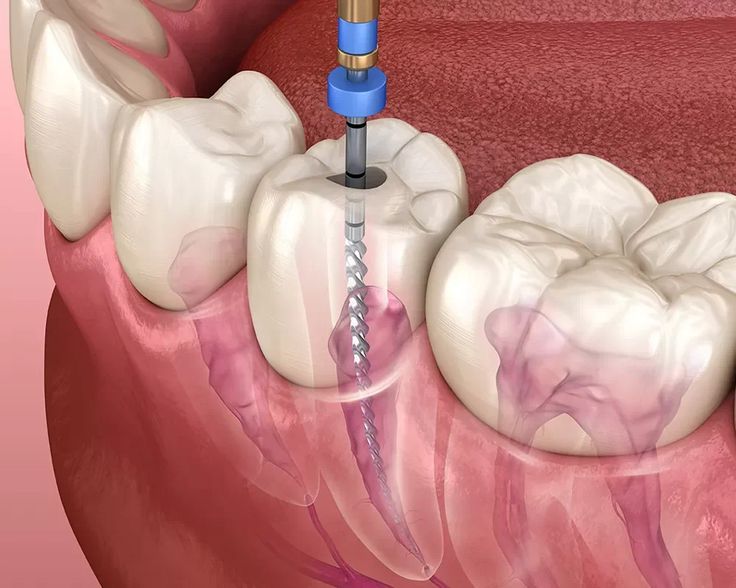
During treatment, the affected pulp is removed, the internal root canal system is carefully cleaned and shaped, and the space is filled and sealed. The tooth is then restored to help return it to normal function.
The main purpose of root canal treatment is to treat the problem inside the tooth while preserving the natural tooth structure whenever possible.
What Happens Inside an Infected Tooth?
A tooth has several layers. The outer enamel protects the tooth, while dentine lies underneath. At the centre is the pulp, which contains nerves and blood vessels.
When bacteria reach the pulp because of deep decay, cracks, trauma, or other damage, the tissue can become inflamed or infected.
Without appropriate treatment, the infection may extend beyond the root of the tooth and affect the surrounding tissues.
What Are the Common Signs You May Need a Root Canal?
Not every toothache requires root canal treatment. However, certain symptoms can indicate that the pulp or tissues surrounding a tooth need professional evaluation.
Persistent Toothache
A toothache that continues or repeatedly returns may indicate an underlying dental problem. Persistent pain should not be ignored, particularly when it is becoming more intense or affecting daily activities.
Sensitivity to Hot or Cold
Some teeth become unusually sensitive to hot or cold foods and drinks when the pulp is affected. If the sensitivity is severe, occurs repeatedly, or continues after the stimulus has been removed, a dental examination can help identify the cause.
Pain While Biting or Chewing
Pain when biting or chewing may occur when inflammation or infection affects the tooth or surrounding tissues. It can also have other causes, so examination is necessary before determining whether root canal treatment is appropriate.
Swelling Around the Tooth
Swelling around a tooth or gum may be associated with infection. It should be evaluated promptly, especially when accompanied by pain or tenderness.
Gum Tenderness or a Pimple on the Gum
A small swelling or pimple-like area on the gum near a tooth can sometimes be associated with drainage from an underlying dental infection. Even if the pain decreases after drainage, the underlying cause may still require treatment.
Tooth Discolouration
A tooth that becomes darker or changes colour may sometimes indicate damage to the internal pulp, particularly following trauma. Tooth discolouration can have several causes, so professional examination is needed.
Deep Decay or a Damaged Tooth
Extensive tooth decay, a deep crack, or significant dental trauma can allow bacteria to reach the pulp. When the damage affects the internal tissues, root canal treatment may be considered depending on the condition of the tooth.
What Causes a Tooth Infection?
A tooth infection can develop when bacteria gain access to the inner tissues of a tooth.
Common causes include:
- Deep tooth decay: Untreated decay can progress through the outer layers of the tooth and eventually reach the pulp.
- Dental cracks or fractures: A crack may provide a pathway for bacteria to reach deeper parts of the tooth.
- Dental trauma: An injury can damage the pulp even when external damage is not immediately obvious.
- Repeated dental procedures: Multiple procedures involving the same tooth can sometimes affect pulp health.
- Untreated tooth damage: Significant damage left without appropriate treatment may eventually affect the internal tissues.
The cause of the problem needs to be identified before treatment is recommended.
Can a Tooth Infection Go Away on Its Own?
A tooth infection should not be assumed to have resolved simply because the pain has temporarily decreased.
Dental pain can sometimes change in intensity as the condition progresses. In some situations, damage to the pulp can eventually affect its ability to respond normally, which may make symptoms less noticeable even though the underlying problem remains.
An untreated dental infection can potentially spread to surrounding tissues.
If you have persistent tooth pain, swelling, sensitivity, or other unusual symptoms, it is important to have the tooth examined rather than waiting for the symptoms to disappear.
When Is Root Canal Treatment Recommended?
Root canal treatment may be recommended when the pulp inside a tooth is irreversibly inflamed or infected and the tooth is considered suitable for preservation.
Situations that may lead to root canal treatment include:
- Deep dental decay reaching the pulp
- Infection within the root canal system
- Significant inflammation of the pulp
- Certain dental injuries
- Cracks that have affected the internal tissues
- Repeated treatment of a heavily restored tooth
The decision is based on a dental examination, symptoms, appropriate diagnostic evaluation, and the condition of the tooth.
Not every painful tooth needs a root canal. Other treatments may be more appropriate depending on the underlying cause.
Root Canal Treatment vs Tooth Extraction
When a tooth has severe internal damage or infection, patients may sometimes wonder whether it is better to save the tooth with root canal treatment or remove it.
When a tooth can be predictably treated and restored, preserving the natural tooth may be considered.
| Feature | Root Canal Treatment | Tooth Extraction |
|---|---|---|
| Goal | Aims to preserve the natural tooth | Removes the affected tooth |
| What is removed | Removes infected or damaged pulp | Eliminates the tooth itself |
| Next step | Requires the tooth to be restored afterward | May require tooth replacement later |
| Function | Allows the natural tooth to remain in function | Creates a space that may need replacement |
| Suitability | Depends on the condition of the tooth | May be considered when a tooth cannot be predictably restored |
Extraction may be necessary when a tooth is too severely damaged or cannot be restored appropriately.
The choice should therefore be based on the condition of the tooth rather than simply choosing the quickest procedure.
Why Is Early Dental Evaluation Important for Tooth Pain?
Tooth pain can have many causes, including decay, pulp inflammation, cracks, gum problems, sensitivity, or problems with an existing restoration.
Identifying the cause early can help your dentist determine the appropriate treatment before the problem becomes more complicated.
At Gold's Dental Clinic, Kalapatti, Dr. Thangadurai Paramasivam, BDS, Dental Surgeon and Consultant Advanced Oral Implantologist, can evaluate your symptoms and dental condition and discuss the appropriate treatment options.
If the tooth is suitable for preservation, root canal treatment may be considered as part of the treatment plan.
How Does Root Canal Treatment Work?
Root canal treatment is carried out in stages to remove infected or inflamed pulp, clean the internal canal system, and seal the tooth. The exact treatment approach depends on the tooth involved, the extent of infection, the number and shape of its canals, and the overall condition of the tooth.
The goal is to address the problem inside the tooth while retaining the natural tooth wherever it can be appropriately treated and restored.
Dental Examination and Diagnosis
Before starting root canal treatment, your dentist will evaluate the affected tooth and discuss your symptoms. The assessment may include:
- Reviewing your pain and sensitivity
- Examining the tooth and surrounding gums
- Checking tenderness or pain on biting
- Assessing existing fillings or restorations
- Taking appropriate dental imaging when required
This helps determine the likely source of the problem and whether root canal treatment is appropriate.
Local Anaesthesia
Local anaesthesia is used to numb the area being treated. Your dentist will explain the procedure before treatment begins and ensure the area is adequately numb before proceeding.
Accessing the Inside of the Tooth
Once the tooth is numb, an opening is made through the tooth to access the pulp chamber and root canals. This provides access to the internal area that needs to be treated.
Removing Infected or Damaged Pulp
The inflamed, infected, or damaged pulp tissue is carefully removed from inside the tooth. Removing the affected tissue allows the dentist to clean the internal canal system.
Cleaning and Shaping the Root Canals
The root canals are cleaned and shaped so that the affected internal tissues and bacterial contamination can be addressed as thoroughly as possible. The complexity of this stage varies according to the anatomy of the tooth. Some teeth have more complex canal systems than others.
Filling and Sealing the Canals
After cleaning and preparing the canals, they are filled with an appropriate material and sealed. Sealing the treated canal system helps prevent bacteria and contaminants from re-entering the space.
Restoring the Tooth
Root canal treatment addresses the internal infection or inflammation, but the tooth may still require a suitable restoration afterward. Depending on how much tooth structure remains and which tooth has been treated, the restoration may involve a filling or a dental crown. Your dentist will recommend the appropriate restoration based on the condition and functional requirements of the tooth.
Is Root Canal Treatment Painful?
One of the most common concerns patients have before root canal treatment is whether the procedure will hurt.
Root canal treatment is performed under local anaesthesia to numb the treatment area. During the procedure, you should communicate with your dentist if you experience discomfort so that the situation can be assessed and managed appropriately.
After treatment, some patients may experience temporary tenderness or sensitivity, particularly when biting. This usually varies according to the condition of the tooth and the extent of treatment.
If pain becomes severe, continues to worsen, or is accompanied by significant swelling or other concerning symptoms, contact your dentist for an evaluation.
How Long Does Root Canal Treatment Take?
There is no single treatment duration that applies to every root canal case.
The time required may depend on:
- Which tooth is being treated
- Number of root canals
- Shape and complexity of the canals
- Severity of infection or inflammation
- Whether the tooth has been previously treated
- Additional procedures required
- Type of final restoration
Some straightforward cases may be completed in fewer appointments, while more complex cases may require additional visits.
Your dentist can explain the expected treatment sequence after examining the tooth.
What Happens After Root Canal Treatment?
Once the root canal procedure has been completed, the tooth enters the restoration and recovery stage.
You may experience temporary tenderness or sensitivity around the treated tooth. Your dentist will provide instructions specific to your treatment.
During this period, it is important to:
- Follow the post-treatment instructions provided
- Maintain appropriate oral hygiene
- Avoid placing excessive pressure on the tooth if advised
- Attend the recommended follow-up appointment
- Complete the planned final restoration
The tooth should not be considered fully restored simply because the root canal procedure itself has been completed.
Why Does a Root Canal Treated Tooth Need a Final Restoration?
A root canal treated tooth can have less remaining natural tooth structure, particularly when extensive decay or previous restorations were present before treatment.
A suitable restoration helps protect the remaining tooth structure and allows the tooth to return to function.
Depending on the tooth and the amount of remaining structure, your dentist may recommend:
- A permanent filling
- A dental crown
- Another appropriate restoration
Back teeth that experience significant chewing forces may require additional protection, but the appropriate restoration depends on the individual tooth.
What Happens If You Delay the Final Restoration?
Completing the root canal procedure is only one stage of treatment. The tooth may still need definitive restoration.
Delaying the recommended restoration can leave the tooth vulnerable to further damage. A heavily weakened tooth may be more susceptible to fracture when subjected to normal chewing forces.
If your dentist has recommended a crown or another final restoration, it is important to discuss the appropriate timing rather than leaving the tooth untreated.
What Can You Eat After Root Canal Treatment?
Your dentist will provide advice based on the stage of your treatment and the type of restoration you have received.
If the tooth has not yet received its final restoration, you may be advised to avoid excessive chewing forces on that tooth.
General considerations include:
- Follow the dietary instructions provided by your dentist
- Avoid biting very hard foods with a recently treated tooth if advised
- Maintain good oral hygiene
- Return for the planned restoration or follow-up
Your individual instructions take priority over general online advice.
How Should You Care for a Root Canal Treated Tooth?
A root canal treated tooth still requires the same commitment to oral hygiene as your other teeth.
Brush Regularly
Brush your teeth regularly using an appropriate brushing technique recommended by your dental professional.
Clean Between Your Teeth
Cleaning between your teeth helps remove plaque from areas that a toothbrush may not reach effectively.
Protect the Treated Tooth
Follow your dentist's advice regarding chewing and the use of the treated tooth, particularly before the final restoration is completed.
Complete Your Planned Treatment
If a permanent restoration or crown has been recommended, complete that stage according to your dentist's instructions.
Attend Routine Dental Check-Ups
Regular dental examinations allow your dentist to monitor the treated tooth, restoration, gums, and surrounding teeth.
Can a Root Canal Treated Tooth Get Infected Again?
A root canal treated tooth can sometimes develop problems again, although appropriate treatment and maintenance can help reduce potential risks.
Possible reasons for problems after treatment may include:
- Persistent or recurring infection
- Complex canal anatomy
- Incomplete treatment of part of the canal system
- New decay
- Leakage around a restoration
- Cracks or fractures
- Damage to the restoration
If a previously treated tooth develops new pain, swelling, sensitivity, or other symptoms, it should be examined by a dentist. Further treatment may sometimes be required depending on the cause.
What Are the Signs That You Should Return to the Dentist?
Contact your dentist if you experience symptoms such as:
- Increasing pain after treatment
- Persistent swelling
- Significant discomfort when biting
- A recurring swelling or pimple on the gum
- A loose or damaged restoration
- A crack or fracture of the treated tooth
- Symptoms that return after a period without problems
Prompt assessment can help identify whether the issue relates to healing, the restoration, the tooth itself, or another dental condition.
Can Root Canal Treatment Save Your Natural Tooth?
When a tooth is structurally suitable for treatment and restoration, root canal treatment can allow the natural tooth to remain in the mouth instead of being extracted.
Preserving the natural tooth can help maintain its position and function within your existing bite.
However, not every severely damaged or infected tooth can be saved. Your dentist will assess the remaining tooth structure, surrounding tissues, and overall prognosis before recommending treatment.
How Much Does Root Canal Treatment Cost in Kalapatti, Coimbatore?
The cost of root canal treatment in Kalapatti, Coimbatore varies from patient to patient. There is no single price that applies to every case because the treatment requirements can differ depending on the tooth and the extent of the problem.
Factors that may affect the overall cost include:
- Tooth being treated
- Number and complexity of root canals
- Severity of infection or inflammation
- Diagnostic procedures and dental imaging
- Number of appointments required
- Complexity of the treatment
- Type of final restoration
- Whether a dental crown is recommended
A consultation is the best way to understand the treatment required and the expected cost for your particular tooth.
What Happens During a Root Canal Consultation?
A root canal consultation is focused on finding the cause of your symptoms before deciding on treatment.
Discussing Your Symptoms
Your dentist may ask about when the pain started, whether it is constant or intermittent, sensitivity to hot or cold, pain while biting, previous dental treatment, and any swelling around the tooth.
Examining the Tooth
The affected tooth and surrounding gums are examined to identify visible signs of decay, damage, swelling, tenderness, or other abnormalities.
Dental Imaging
Dental imaging may be recommended to assess the tooth and the structures surrounding its roots. This can help the dentist understand the extent of the problem and plan appropriate treatment.
Assessing Whether the Tooth Can Be Restored
Not every damaged tooth is suitable for root canal treatment. The remaining tooth structure and surrounding tissues need to be evaluated. If the tooth can be appropriately treated and restored, root canal treatment may be considered.
Discussing Your Treatment Options
Your dentist can explain whether the recommended approach is root canal treatment, extraction, restoration, or another suitable option. You can also ask about the expected treatment sequence, recovery, restoration, and maintenance.
Why Choose Gold's Dental Clinic for Root Canal Treatment?
Choosing a dental clinic for root canal treatment involves more than looking for a clinic close to home. Proper diagnosis, treatment planning, tooth restoration, and follow-up are important parts of managing a tooth affected by deep decay or infection.
Gold's Dental Clinic in Kalapatti, Coimbatore is owned by Dr. Thangadurai Paramasivam, BDS, Dental Surgeon and Consultant Advanced Oral Implantologist, with 3+ years of clinical experience.
Patients can discuss their symptoms and concerns during a consultation and understand the condition of the affected tooth before deciding on treatment.
The focus is on evaluating the individual tooth and recommending an appropriate treatment approach based on its condition rather than assuming that every toothache requires the same procedure.
Root Canal Treatment in Kalapatti, Coimbatore
If you are searching for root canal treatment in Kalapatti, Coimbatore, persistent tooth pain or sensitivity is a reason to consider a professional dental evaluation.
Gold's Dental Clinic provides dental care for patients in and around Kalapatti, Coimbatore, including those seeking assessment for:
- Persistent toothache
- Deep dental decay
- Tooth sensitivity
- Pain while chewing
- Swelling around a tooth
- Suspected dental infection
- Damaged or traumatised teeth
A dental examination can help identify whether the problem requires root canal treatment or another form of dental care.
Root Canal Treatment for Different Dental Concerns
Root Canal for a Deeply Decayed Tooth
When decay extends deep into a tooth and affects the pulp, root canal treatment may be considered if the tooth can still be restored.
Root Canal for a Painful Tooth
Persistent tooth pain can have different causes. If the pulp is significantly inflamed or infected, root canal treatment may be recommended following an appropriate examination.
Root Canal for a Damaged Tooth
Trauma, cracks, or other damage can sometimes affect the pulp. The treatment depends on the extent and location of the damage.
Root Canal for an Infected Tooth
When bacteria infect the internal root canal system, root canal treatment may be used to remove the affected pulp, clean the canals, and seal the treated space.
FAQs
Frequently Asked Questions About Root Canal Treatment
Root canal treatment is a procedure used to treat a tooth when the pulp inside it becomes severely inflamed or infected. The affected tissue is removed, the canals are cleaned and shaped, and the tooth is filled and sealed before receiving an appropriate restoration.
Symptoms such as persistent toothache, prolonged sensitivity to hot or cold, pain while biting, swelling, or deep decay can indicate a problem requiring dental evaluation. These symptoms do not automatically mean you need a root canal, so an examination is necessary.
The procedure is performed under local anaesthesia to numb the treatment area. Some patients may experience temporary tenderness or sensitivity afterward. Your dentist will provide appropriate post-treatment instructions.
Treatment duration depends on the tooth, number and complexity of the canals, infection, previous treatment, and restoration requirements. Some cases can be completed in fewer appointments, while complex cases may require additional visits.
When the tooth has sufficient remaining structure and can be appropriately treated and restored, root canal treatment may allow the natural tooth to be preserved.
If a tooth can be predictably treated and restored, preserving the natural tooth may be considered. Extraction may be necessary when the tooth cannot be restored appropriately. Your dentist can assess the tooth and explain the suitable options.
Not every root canal treated tooth automatically requires a crown. The recommended restoration depends on the amount of remaining tooth structure, the tooth's location, chewing forces, and other clinical factors.
The cost depends on the tooth being treated, complexity, number of canals, diagnostic requirements, appointments, and final restoration. A dental consultation is required to provide a treatment-specific estimate.
Your dentist will advise you based on the stage of treatment and whether the final restoration has been completed. If the tooth is awaiting its permanent restoration, you may be advised to avoid excessive chewing forces on that tooth.
If an infected or severely inflamed tooth is left untreated, the problem can progress and may affect tissues around the tooth. Symptoms may also change over time without the underlying cause being resolved.
A previously treated tooth can sometimes develop problems again because of factors such as recurring infection, complex canal anatomy, new decay, restoration leakage, or tooth fracture. New symptoms should be evaluated by a dentist.
Children may require specific types of pulp treatment depending on the affected tooth, stage of dental development, and underlying condition. The appropriate treatment should be determined following a pediatric dental assessment.
When Should You Visit a Dentist for Tooth Pain?
Do not ignore tooth pain that persists, repeatedly returns, or is accompanied by swelling.
You should consider arranging a dental evaluation if you notice:
- Persistent toothache
- Severe sensitivity
- Pain when biting
- Swelling around the tooth
- Gum swelling or drainage
- A broken or cracked tooth
- Deep decay
- A change in tooth colour following trauma
Early assessment can help identify the cause and determine whether the tooth can be treated and preserved.
Book a Root Canal Consultation at Gold's Dental Clinic
If you are experiencing tooth pain, sensitivity, swelling, or suspected tooth infection in Kalapatti, Coimbatore, a professional dental examination can help identify the underlying problem.
At Gold's Dental Clinic, you can discuss your symptoms with Dr. Thangadurai Paramasivam, Cosmetic Dental Surgeon and Consultant Advanced Oral Implantologist, and understand the appropriate treatment options for your tooth.
If root canal treatment is suitable, the treatment plan can be explained based on the condition of your tooth, the required procedure, restoration needs, and follow-up care.
Schedule Your Dental ConsultationDon't ignore persistent tooth pain. Book a dental consultation at Gold's Dental Clinic, Kalapatti, Coimbatore, to understand the cause and appropriate treatment for your tooth.
Visit Gold's Dental Clinic for Root Canal Treatment in Kalapatti, Coimbatore
Looking for root canal treatment in Kalapatti, Coimbatore? You can visit Gold's Dental Clinic for a dental consultation and discuss your tooth pain, sensitivity, or other dental concerns with Dr. Thangadurai Paramasivam, Cosmetic Dental Surgeon and Consultant Advanced Oral Implantologist.
Clinic Address
Gold's Dental Clinic
First Floor, 31/2, Vilanguruchi Road,
Near Four Function, Above Apollo Pharmacy,
Kalapatti, Coimbatore, Tamil Nadu - 641048.
Medical Disclaimer
The information provided on this page is for general educational purposes and does not replace a professional dental examination, diagnosis, or personalised treatment advice. The need for root canal treatment, treatment duration, restoration requirements, expected outcome, and cost vary between patients. A qualified dental professional should assess your individual dental condition before treatment.