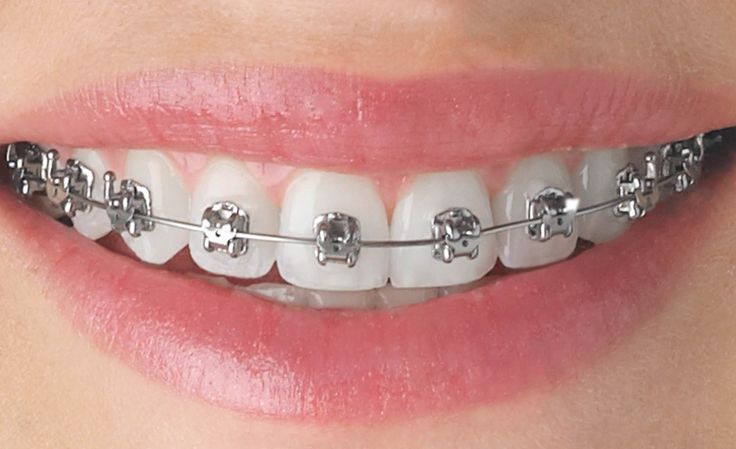
Braces in Kalapatti, Coimbatore
If your teeth are crowded, crooked, spaced apart, or your upper and lower teeth do not meet correctly, braces in Kalapatti, Coimbatore may be one of the treatment options to consider. Orthodontic braces gradually guide teeth into more suitable positions and can help improve dental alignment and certain bite problems.
At Gold's Dental Clinic in Kalapatti, Coimbatore, orthodontic treatment begins with an individual assessment of your teeth, gums, bite, and overall oral health. The clinic is owned by Dr. Thangadurai Paramasivam, Cosmetic Dental Surgeon and Consultant Advanced Oral Implantologist, with 3+ years of clinical experience.
If you are considering braces for yourself or your child, a dental consultation can help determine whether orthodontic treatment is appropriate and which approach may suit the specific alignment concern.
Book Your ConsultationUnderstanding Braces & Teeth Alignment
Orthodontic braces are designed to gradually improve tooth position and selected bite concerns under professional supervision. Treatment planning starts with understanding your alignment, oral health, and smile goals rather than using the same approach for every patient.
What Are Dental Braces?
Dental braces are orthodontic appliances used to gradually move teeth into planned positions. They apply controlled forces to the teeth over time, allowing the supporting tissues around the teeth to adapt as movement takes place.
Braces generally consist of components such as brackets and archwires, with other supporting components used depending on the treatment plan.
The objective is not simply to make teeth look straighter. Orthodontic treatment also considers how the upper and lower teeth come together and how the teeth function as part of your overall bite.
How Do Braces Move Teeth?
Braces apply controlled pressure to individual teeth through the orthodontic appliance. Over time, the tissues surrounding the roots adapt to the planned movement.
The orthodontist or treating dentist monitors this movement during regular appointments and makes adjustments according to the treatment plan.
Because tooth movement is a gradual biological process, braces treatment usually takes place over multiple appointments rather than producing an immediate change.
What Dental Problems Can Braces Help Correct?
Braces can be used to address various tooth alignment and bite concerns. The appropriate treatment depends on the patient's age, dental development, severity of the problem, and overall oral health.
Crowded Teeth
Crowding occurs when there is insufficient space for teeth to align properly. Teeth may overlap, rotate, or appear pushed out of their normal positions. Orthodontic treatment can be planned to improve the alignment when the case is suitable for braces.
Crooked or Misaligned Teeth
Teeth can develop in positions that affect the appearance of the smile or the way the teeth come together. Braces can gradually move suitable teeth towards their planned positions as part of an orthodontic treatment plan.
Gaps Between Teeth
Spaces between teeth can occur for different reasons, including natural tooth size, missing teeth, or the position of the teeth. Orthodontic treatment may be used to close certain spaces when appropriate.
Overbite
An overbite refers to the vertical overlap of the upper front teeth over the lower front teeth. The degree and cause of the overbite need to be assessed before determining whether braces can address it and what type of treatment is required.
Underbite
An underbite occurs when the lower teeth extend in front of the upper teeth when the mouth is closed. Treatment depends on the underlying cause, severity, age, jaw development, and individual dental condition.
Crossbite
A crossbite occurs when one or more upper teeth bite inside the corresponding lower teeth. Depending on the location and cause, orthodontic treatment may be considered to improve the relationship between the affected teeth.
Other Bite and Alignment Concerns
Some patients have combinations of crowding, spacing, rotations, or bite discrepancies. A detailed assessment helps determine the nature of the alignment problem and whether braces are an appropriate treatment option.
Why Do People Consider Braces Treatment?
People consider braces for different reasons. For some, the primary concern is the appearance of crooked or crowded teeth. For others, the main concern may be how their teeth meet or function.
Potential treatment goals may include:
- Improving tooth alignment
- Managing certain bite problems
- Creating a more organised dental arch
- Making some areas easier to clean
- Improving the appearance of the smile
- Supporting more balanced tooth contact
However, orthodontic treatment should be planned according to the individual's dental condition rather than appearance alone.
Who Can Consider Braces in Kalapatti?
Braces may be considered for children, teenagers, and adults when orthodontic treatment is appropriate for their dental condition.
Braces for Children and Teenagers
Orthodontic assessment during childhood or adolescence can help identify developing alignment or bite concerns.
The appropriate timing depends on dental development and the specific problem. Some children may benefit from an earlier assessment, while active braces treatment may be planned at a later stage.
Braces for Adults
Adults can also consider braces treatment. Age alone does not automatically rule out orthodontic treatment.
Before treatment begins, the dentist needs to assess factors such as:
- Gum health
- Tooth condition
- Existing dental restorations
- Bone support
- Bite
- Overall oral health
Any active dental problems may need to be addressed before orthodontic treatment begins.
Why Is Proper Tooth Alignment Important?
Straightening teeth is not only about creating a more uniform-looking smile. The position of your teeth can influence how they contact one another and how easily certain areas can be accessed during daily oral hygiene.
Oral Hygiene
Severely crowded or overlapping teeth can make some areas more difficult to access with a toothbrush or interdental cleaning method. Improving alignment may make certain surfaces easier to clean, although good oral hygiene remains essential throughout and after orthodontic treatment.
Bite Relationship
The upper and lower teeth need to work together when you bite and chew. Orthodontic treatment may be used to improve certain bite relationships.
Tooth Wear
An uneven bite can sometimes place unusual forces on particular teeth. Correcting an underlying alignment or bite problem may be considered as part of comprehensive orthodontic care.
Smile Appearance
For many patients, improving the position of crooked, crowded, or spaced teeth is an important part of their orthodontic treatment goal.
What Are the Different Types of Braces?
The appropriate type of braces depends on the treatment requirements and the options available at the dental clinic.
Traditional Metal Braces
Traditional metal braces use brackets attached to the teeth and an archwire to apply controlled forces. They are a commonly used orthodontic appliance and may be suitable for a wide range of alignment and bite problems.
Tooth-Coloured or Ceramic Braces
Ceramic braces use tooth-coloured or less noticeable brackets and may be considered by patients who prefer a more discreet appearance. Availability should be confirmed with the clinic before choosing this option.
Clear Aligners as an Alternative
Clear aligners are a separate orthodontic approach that uses removable transparent trays rather than fixed brackets and wires. Gold's Dental Clinic also offers Invisalign clear aligners for suitable cases.
Braces vs Clear Aligners: Which Is Right for You?
Braces and clear aligners use different approaches to move teeth.
| Feature | Braces | Clear Aligners |
|---|---|---|
| Appliance | Brackets and wires | Removable clear trays |
| Removable | Generally fixed during treatment | Designed to be removable |
| Appearance | More noticeable | More discreet |
| Cleaning | Requires careful cleaning around brackets | Trays can be removed for oral hygiene |
| Compliance | Less dependent on wearing time | Requires consistent wear as instructed |
| Suitability | Can address many orthodontic concerns | Suitability depends on the individual case |
There is no universally better option. Your dentist should assess your teeth and bite before recommending an orthodontic approach.
Why Is an Orthodontic Assessment Important Before Getting Braces?
Braces should not be selected based solely on the appearance of crooked teeth.
Before treatment, your dentist needs to understand:
- The position of your teeth
- Your bite relationship
- Available space
- Gum health
- Tooth and bone condition
- Existing dental problems
- Overall orthodontic requirements
Based on the assessment, the dentist can explain whether braces are appropriate and what the treatment is expected to involve.
At Gold's Dental Clinic, Kalapatti, this assessment can help you understand your treatment options before beginning orthodontic care.
When Should You Consider a Braces Consultation?
Consider arranging an orthodontic consultation if you or your child has:
- Noticeably crowded teeth
- Crooked or rotated teeth
- Gaps between teeth
- An overbite
- An underbite
- A crossbite
- Difficulty maintaining hygiene around severely crowded teeth
- Concerns about the appearance of tooth alignment
- Teeth that do not appear to meet correctly
An examination is the best way to determine whether the concern requires orthodontic treatment and which treatment approach may be suitable.
How Does Braces Treatment Work?
Braces treatment is a gradual process designed to move teeth into planned positions and improve certain alignment or bite concerns. The treatment is customised according to your dental condition rather than using the same approach for every patient.
At Gold's Dental Clinic in Kalapatti, Coimbatore, the treatment journey begins with an assessment and continues through planned appointments to monitor tooth movement and make necessary adjustments.
What Happens Before Braces Are Placed?
Before starting treatment, your dentist needs to assess whether your teeth and gums are ready for orthodontic treatment.
Initial Orthodontic Consultation
Your concerns, dental history, alignment issues, and treatment expectations are discussed during the consultation. The dentist may assess:
- Tooth alignment
- Crowding or spacing
- Bite relationship
- Jaw and dental development
- Existing dental restorations
- Gum health
- Overall oral health
Dental Examination and Diagnostic Records
Depending on your case, dental photographs, impressions or digital scans, and appropriate imaging may be used to understand your tooth positions and underlying structures.
These records help with treatment planning and provide a reference for monitoring progress.
Addressing Existing Dental Problems
Active cavities, gum problems, infections, or other dental concerns may need to be treated before braces are placed.
Starting orthodontic treatment with healthy teeth and gums helps create a better foundation for ongoing care.
What Happens When Braces Are Placed?
Once the treatment plan has been finalised, the braces can be placed according to the planned approach.
For traditional fixed braces, brackets are attached to the teeth and connected using an archwire. The wire applies controlled forces that contribute to gradual tooth movement.
Your dentist will explain how to care for the braces and what to expect during the initial adjustment period.
What Happens During Regular Braces Appointments?
Braces treatment requires periodic appointments rather than a single procedure.
During follow-up visits, your dentist may:
- Check tooth movement
- Assess the bite
- Examine the brackets and wires
- Make necessary adjustments
- Monitor oral hygiene
- Address discomfort or appliance-related concerns
- Modify the treatment approach when required
Regular appointments are important because tooth movement needs to be monitored throughout the treatment.
How Long Does Braces Treatment Take?
There is no fixed treatment duration for every patient.
The overall duration may depend on:
- Severity of crowding
- Degree of tooth misalignment
- Type of bite problem
- Amount of tooth movement required
- Patient's age and dental development
- Response to orthodontic forces
- Oral hygiene
- Attendance at scheduled appointments
- Compliance with treatment instructions
Some cases may require a relatively shorter treatment period, while more complex alignment or bite problems may take longer.
Your expected treatment duration can be discussed after your individual assessment.
Are Braces Painful?
Braces do not normally involve continuous severe pain, but some patients experience temporary pressure, tenderness, or discomfort when braces are first placed or adjusted.
This can occur because the teeth are responding to the orthodontic forces.
You may notice:
- Mild tooth tenderness
- Pressure around the teeth
- Sensitivity while chewing
- Irritation of the lips or cheeks during the initial adjustment period
These experiences can vary between individuals. If you experience significant or persistent pain, speak with your dental team so the cause can be assessed.
What Should You Expect During the First Few Days With Braces?
The first few days are an adjustment period as you become familiar with the appliance.
You may need some time to get used to:
- The brackets
- Archwires
- Changes in how your teeth feel
- Cleaning around the appliance
- Eating with braces
Your dentist can provide practical instructions to make this adjustment easier.
If a bracket or wire causes unusual irritation, contact the clinic rather than attempting to make major changes to the appliance yourself.
What Foods Should You Avoid With Braces?
Certain hard, sticky, or chewy foods can damage orthodontic brackets or wires.
Depending on your appliance, you may be advised to limit or avoid:
- Hard candies
- Sticky sweets
- Chewing gum
- Ice
- Very hard nuts
- Hard foods that require excessive biting force
Some foods can still be eaten by cutting them into smaller pieces rather than biting directly into them.
Following dietary instructions helps reduce the risk of bracket or wire damage during treatment.
How Do You Clean Your Teeth With Braces?
Maintaining oral hygiene is especially important when you have fixed braces because food particles and plaque can collect around brackets and wires.
Brush Around the Brackets
Use an appropriate toothbrush and carefully clean around the brackets, gumline, and other tooth surfaces.
Clean Between the Teeth
Food and plaque can accumulate between teeth and around orthodontic components. Interdental cleaning should be performed using a method suitable for your braces.
Pay Attention to the Gumline
Plaque accumulation around the gumline can contribute to gum inflammation. Regular and careful cleaning is important throughout treatment.
Attend Regular Dental Check-Ups
Orthodontic appointments do not replace routine dental care. Your teeth and gums should continue to be monitored during braces treatment.
What Happens If a Bracket or Wire Breaks?
Brackets and wires can occasionally become loose or damaged, particularly if hard or sticky foods are consumed.
If this happens:
- Avoid unnecessarily touching or pulling the appliance.
- Note which bracket or wire has become loose.
- Contact the dental clinic for advice.
- Follow the instructions provided until you can be examined.
A damaged orthodontic appliance may interfere with planned tooth movement, so it is better to have it assessed rather than ignoring it.
Can You Play Sports While Wearing Braces?
Many people can continue their normal physical activities while undergoing orthodontic treatment.
However, if you participate in contact sports, ask your dentist about suitable orthodontic protection such as a mouthguard.
Protecting the teeth and braces can help reduce the risk of injury or appliance damage.
What Happens When Braces Treatment Is Complete?
When your teeth have reached the planned positions and active orthodontic treatment is complete, the braces are removed.
Your dentist will then assess the final alignment and explain the next stage of treatment.
The process generally involves:
- Removing the brackets and wires
- Cleaning the teeth
- Assessing the final tooth positions
- Checking the bite
- Providing or planning retainers
- Explaining retention and follow-up care
Completing active braces treatment does not mean your teeth will automatically remain in exactly the same positions without further care.
Why Are Retainers Needed After Braces?
After braces are removed, the teeth can have a tendency to move from their newly established positions.
Retainers are used to help maintain the alignment achieved through orthodontic treatment.
Your dentist will recommend the appropriate type of retainer and explain how and when it should be worn.
How Long Do You Need to Wear Retainers?
The recommended retention schedule varies between patients.
Some patients may initially need to wear their retainers more frequently before transitioning to a longer-term maintenance routine.
Following the retention instructions provided by your dentist is important for maintaining the treatment result.
What Can Affect the Success of Braces Treatment?
Orthodontic treatment is a partnership between the dental team and the patient.
Factors that can influence treatment progress include:
- Attending scheduled appointments
- Following dietary instructions
- Maintaining good oral hygiene
- Taking care of brackets and wires
- Following instructions about elastics or other appliances, when prescribed
- Wearing retainers as instructed after treatment
Good cooperation can help the planned treatment progress more smoothly.
How Can You Protect Your Teeth During Braces Treatment?
While wearing braces, continue to take care of your natural teeth.
You should:
- Brush thoroughly every day
- Clean between your teeth
- Follow your dentist's dietary advice
- Avoid habits that can damage brackets
- Attend scheduled orthodontic appointments
- Report damaged brackets or wires
- Continue routine dental examinations
The aim is not only to achieve improved alignment but also to maintain healthy teeth and gums throughout the orthodontic journey.
How Much Do Braces Cost in Kalapatti, Coimbatore?
The cost of braces in Kalapatti, Coimbatore varies from patient to patient because orthodontic treatment is planned according to the individual's alignment and bite requirements.
Factors that may influence the overall treatment cost include:
- Type of braces selected
- Severity of tooth crowding or misalignment
- Type and complexity of bite correction
- Number of teeth requiring movement
- Diagnostic records and imaging
- Expected treatment duration
- Additional orthodontic appliances, if required
- Follow-up appointments
- Retainers after active treatment
A consultation is necessary to understand the specific treatment required and provide an appropriate cost estimate.
What Happens During a Braces Consultation?
Your first consultation is an opportunity to understand your dental alignment and discuss whether braces are suitable for you.
Discussing Your Concerns
You can discuss concerns such as crooked teeth, crowding, gaps, bite problems, or changes you would like to see in your smile.
Examining Your Teeth and Bite
Your dentist will assess the position of your teeth and how your upper and lower teeth meet.
Reviewing Your Oral Health
The condition of your teeth and gums is considered before orthodontic treatment is planned. Existing cavities, gum problems, infections, or other dental concerns may need attention before braces are started.
Diagnostic Assessment
Depending on the case, dental photographs, scans, impressions, or appropriate imaging may be recommended to understand the alignment and underlying structures.
Discussing Treatment Options
Your dentist can explain whether braces are appropriate and whether another orthodontic option may be more suitable for your particular case.
Understanding the Treatment Plan
The proposed treatment sequence, expected duration, appointment schedule, care requirements, and retention phase can be discussed before treatment begins.
Why Choose Gold's Dental Clinic for Braces in Kalapatti?
Orthodontic treatment requires ongoing monitoring rather than simply placing braces and waiting for the teeth to move.
At Gold's Dental Clinic, Kalapatti, Coimbatore, patients can discuss their alignment and bite concerns with Dr. Thangadurai Paramasivam, BDS, Dental Surgeon and Consultant Advanced Oral Implantologist, who has 3+ years of clinical experience.
The treatment approach begins with an assessment of the individual patient's dental condition. This helps determine the appropriate orthodontic approach and allows the treatment plan to be explained before active treatment begins.
Patients can also discuss questions about braces, treatment duration, oral hygiene, follow-up visits, retainers, and available treatment options during their consultation.
Braces in Kalapatti, Coimbatore
If you are searching for braces in Kalapatti, Coimbatore, an individual dental assessment is an important first step.
Gold's Dental Clinic serves patients in and around Kalapatti who are looking for treatment for concerns such as:
- Crowded teeth
- Crooked teeth
- Spacing between teeth
- Overbite
- Underbite
- Crossbite
- General tooth alignment concerns
The appropriate orthodontic treatment depends on the patient's dental condition, bite, oral health, and treatment goals.
A consultation allows your dentist to assess your teeth and explain the available options rather than recommending braces based only on an online description.
Braces for Different Age Groups
Braces for Children
Children may be assessed for orthodontic concerns as their teeth and jaws develop. The appropriate timing for treatment depends on the child's dental development and the type of alignment or bite issue.
Braces for Teenagers
Teenage years are a common period for orthodontic assessment because many permanent teeth have developed. However, the ideal timing varies from one individual to another.
Braces for Adults
Adults can also undergo orthodontic treatment when their teeth and gums are suitable for treatment. Before starting braces, adult patients may require an assessment of existing fillings, crowns, gum health, tooth condition, and other dental factors.
FAQs
Frequently Asked Questions About Braces
Braces are orthodontic appliances used to gradually move teeth and address certain alignment and bite problems, including crowding, spacing, overbite, underbite, and crossbite.
Children, teenagers, and adults may be candidates for braces depending on their dental condition, oral health, tooth alignment, and treatment requirements.
You may experience temporary pressure, tenderness, or discomfort when braces are initially placed or adjusted. Significant or persistent pain should be discussed with your dentist.
Treatment duration varies depending on the complexity of the alignment problem, amount of tooth movement required, response to treatment, attendance, and other individual factors.
Braces can be used to treat many cases of dental crowding. The appropriate treatment depends on the severity of crowding, available space, bite, and overall dental condition.
Yes, braces can be used to close certain spaces between teeth. The cause and size of the gap need to be assessed before treatment is planned.
Braces may be used to manage certain overbite problems. Treatment depends on the severity and underlying cause of the bite relationship.
Some underbite cases can be treated orthodontically, while others may require a more comprehensive approach. The appropriate treatment depends on the patient's age, jaw relationship, and severity of the condition.
Hard, sticky, and chewy foods can damage brackets or wires. Your dentist will provide specific dietary instructions based on your braces.
Brush carefully around the brackets and gumline and clean between the teeth using an appropriate interdental cleaning method. Your dentist can demonstrate the technique suitable for your appliance.
Many patients can continue playing sports during orthodontic treatment. Those involved in contact sports should ask their dentist about appropriate mouth protection.
Contact your dental clinic for advice. Avoid pulling or manipulating the damaged bracket or wire unnecessarily until it can be assessed.
Retainers are generally used after active orthodontic treatment to help maintain the achieved tooth positions. Your dentist will explain the appropriate retention schedule.
The cost varies according to the type of braces, complexity of tooth movement, bite correction, treatment duration, diagnostic requirements, appointments, and retainers. A consultation is needed for a case-specific estimate.
Braces and clear aligners use different approaches and may be suitable for different patients and treatment situations. Your dentist can assess your alignment and discuss which option is appropriate for you.
When Should You Consider a Braces Consultation?
Consider booking an orthodontic assessment if you notice:
- Teeth that overlap or appear crowded
- Large spaces between teeth
- Teeth that are noticeably crooked
- Upper and lower teeth that do not meet properly
- Difficulty cleaning severely crowded areas
- Concerns about your smile alignment
- A child's developing teeth that appear significantly misaligned
An early assessment does not necessarily mean braces must be started immediately. It allows the dental condition to be evaluated and the appropriate timing and treatment options to be discussed.
Start Your Braces Journey at Gold's Dental Clinic
If you are looking for braces in Kalapatti, Coimbatore, Gold's Dental Clinic can provide an opportunity to discuss your teeth alignment and orthodontic concerns with a dental professional.
Dr. Thangadurai Paramasivam, Cosmetic Dental Surgeon and Consultant Advanced Oral Implantologist, can assess your dental condition and discuss appropriate treatment options based on your individual requirements.
Whether your concern is crowded teeth, crooked teeth, gaps, or a bite problem, a consultation is the right starting point for understanding whether braces are suitable for you.
Book a Braces ConsultationLooking for braces in Kalapatti, Coimbatore? Schedule a dental consultation at Gold's Dental Clinic to discuss your teeth alignment and orthodontic treatment options.
Visit Gold's Dental Clinic for Braces in Kalapatti, Coimbatore
Looking for braces in Kalapatti, Coimbatore? Visit Gold's Dental Clinic for a dental and orthodontic consultation and discuss your teeth alignment concerns with Dr. Thangadurai Paramasivam, Cosmetic Dental Surgeon and Consultant Advanced Oral Implantologist.
Clinic Address
Gold's Dental Clinic
First Floor, 31/2, Vilanguruchi Road,
Near Four Function, Above Apollo Pharmacy,
Kalapatti, Coimbatore, Tamil Nadu - 641048.
Medical Disclaimer
The information on this page is intended for general educational purposes and does not replace a professional dental examination, diagnosis, or personalised treatment plan. The suitability of braces, treatment duration, expected results, and cost vary between individuals. A qualified dental professional should evaluate your teeth and oral health before orthodontic treatment.