Laser Dentistry in Kalapatti, Coimbatore
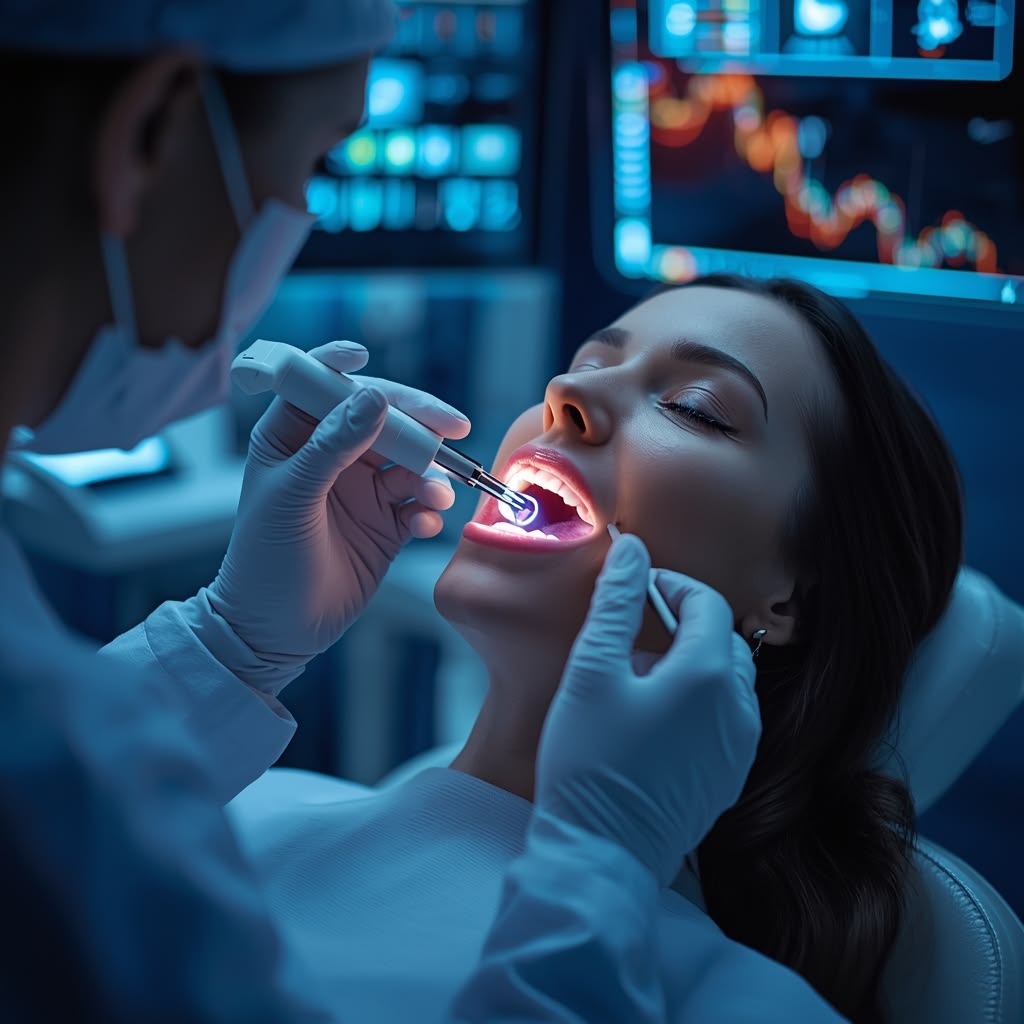
Advanced Dental Care Using Laser Technology for Selected Treatments
Laser dentistry uses focused laser energy in selected dental procedures to treat or modify specific oral tissues. Depending on the procedure, dental lasers may be used for certain gum and soft-tissue treatments and, with appropriate equipment, selected hard-tissue procedures.
Laser dentistry is not one single treatment. Whether a dental laser is appropriate depends on the condition being treated, the type of procedure required, and the dentist's clinical assessment.
At Gold's Dental Clinic in Kalapatti, Coimbatore, patients can discuss their dental concerns and understand whether a laser-assisted approach is appropriate for their particular treatment.
The clinic is owned by Dr. Thangadurai Paramasivam, Cosmetic Dental Surgeon and Consultant Advanced Oral Implantologist, with 3+ years of clinical experience.
Book Your ConsultationWhat Is Laser Dentistry?
Laser dentistry is an approach that uses concentrated light energy during selected dental procedures.
Depending on the type of dental laser and procedure, laser energy can be directed at specific oral tissues to perform a particular clinical task.
Laser technology may be considered for:
- Gum treatment
- Selected periodontal procedures
- Soft-tissue procedures
- Gum contouring
- Selected hard-tissue dental procedures
The use of a laser does not mean that every dental procedure can or should be performed with a laser. The appropriate technique depends on the patient's condition and the treatment being planned.
How Does Laser Dentistry Work?
A dental laser delivers concentrated light energy to a specific treatment area under controlled clinical conditions.
The laser and settings used depend on the type of tissue being treated and the intended dental procedure.
During treatment, your dentist determines:
- The area requiring treatment
- The type of dental laser appropriate for the procedure
- The required laser settings
- Whether local anaesthesia is necessary
- Whether additional conventional dental techniques are required
Laser dentistry can therefore be part of a broader treatment approach rather than necessarily replacing conventional dental instruments.
What Is a Dental Laser Used For?
Dental lasers can be used for selected procedures involving the gums, oral soft tissues, and, with suitable equipment, certain hard tissues.
The exact application depends on the type of dental laser and the treatment being performed.
Soft Tissue Procedures
Lasers may be used for selected procedures involving the gums and other oral soft tissues.
Periodontal and Gum Procedures
Certain laser systems may be incorporated into periodontal treatment when clinically appropriate. The treatment approach depends on the condition of the gums and the specific periodontal procedure required.
Gum Contouring and Reshaping
In selected cases, laser technology may be used to modify or reshape gum tissue as part of an appropriate dental treatment plan.
Selected Hard Tissue Procedures
Some dental laser systems are designed for applications involving hard dental tissues. Whether a laser is appropriate depends on the procedure, equipment available, and clinical requirements.
What Is the Difference Between Soft Tissue and Hard Tissue Lasers?
The main difference is the type of oral tissue for which the laser is designed and used.
Soft Tissue Laser Dentistry
Soft tissue lasers are designed for selected procedures involving tissues such as the gums and other soft tissues of the mouth.
They may be used in certain periodontal or soft-tissue procedures.
Hard Tissue Laser Dentistry
Hard tissue lasers are designed for selected applications involving structures such as teeth.
Their use depends on the specific dental procedure and the equipment available.
Not every dental laser can be used for every type of tissue. The dentist determines which technology and treatment approach are appropriate for the individual case.
What Dental Treatments Can Lasers Be Used For?
Laser technology can be incorporated into selected dental treatments depending on the patient's condition and the type of procedure required.
Laser Gum Treatment
Laser technology may be considered for selected gum-related procedures when clinically appropriate.
Laser Treatment for Gum Inflammation
Depending on the periodontal condition, laser-assisted techniques may be considered as part of a broader gum-treatment plan.
Gum Contouring and Reshaping
Selected cosmetic or functional gum procedures may involve laser technology when appropriate.
Selected Oral Soft Tissue Procedures
Dental lasers may be used for certain procedures involving oral soft tissues, depending on the clinical indication.
Selected Hard Tissue Procedures
Certain laser systems can be used for specific procedures involving hard dental tissues.
The use of laser technology depends on the individual treatment and does not automatically replace conventional dental techniques.
Is Laser Dentistry Suitable for Everyone?
No. Laser dentistry is not suitable or necessary for every dental patient or every dental procedure.
Your dentist may consider:
- The type of dental problem
- Location of the treatment area
- Condition of the teeth and gums
- Type of tissue involved
- Complexity of the procedure
- Available laser technology
- Other treatment options
A dental examination helps determine whether laser treatment is appropriate or whether another conventional approach would be more suitable.
Why Is a Dental Assessment Important Before Laser Treatment?
A dental assessment helps determine whether laser dentistry is appropriate for the specific problem being treated.
Your dentist may evaluate:
- Your symptoms and dental concerns
- Teeth and gum condition
- The affected treatment area
- The type of tissue involved
- The intended treatment outcome
- Whether laser or conventional treatment is more appropriate
This ensures that the treatment method is selected based on the dental condition and clinical requirement, rather than simply choosing laser technology because it is available.
How Is Laser Gum Treatment Performed?
Laser gum treatment begins with an assessment of the gums and the specific condition being treated. If laser technology is appropriate, the dentist plans the procedure according to the affected area and the type of laser being used.
Depending on the treatment, the process may involve:
- Examining the gums and treatment area
- Identifying the tissues requiring treatment
- Preparing the treatment area
- Using the appropriate dental laser
- Treating the targeted tissue
- Using conventional dental techniques when additionally required
- Providing post-treatment instructions
The exact procedure varies depending on whether the laser is being used for periodontal treatment, gum contouring, or another soft-tissue procedure.
What Happens During a Laser Dental Procedure?
Before treatment, your dentist will explain the procedure and prepare the area being treated.
During the procedure, the laser is directed at the intended treatment area using settings appropriate for the specific dental procedure.
Depending on the treatment, you may experience:
- Pressure
- Mild warmth
- Movement around the treatment area
- Some sensitivity
Local anaesthesia may be used when required, depending on the procedure and individual comfort needs.
Laser treatment does not necessarily mean that conventional dental instruments will not be used. Your dentist may combine laser technology with other techniques when clinically appropriate.
Is Laser Dentistry Painful?
The level of discomfort during laser dentistry depends on the procedure, treatment area, and individual sensitivity.
Some laser procedures may involve relatively little discomfort, while others may require local anaesthesia.
Temporary sensitivity or tenderness may occur after some procedures.
Your dentist can explain:
- Whether anaesthesia is required
- What you may feel during treatment
- Whether sensitivity is expected afterwards
- How to care for the treated area
Because the experience varies between procedures and patients, laser dentistry should not automatically be described as completely painless.
Does Laser Dentistry Cause Bleeding?
The amount of bleeding associated with laser dentistry depends on the procedure and the tissues being treated.
Some soft-tissue laser procedures may result in less bleeding than certain conventional techniques because the laser can interact with soft tissue during treatment.
However, laser treatment does not guarantee a completely blood-free procedure.
Bleeding can vary according to:
- Type of procedure
- Treatment area
- Condition of the tissue
- Extent of treatment
- Individual healing response
Your dentist can explain what to expect based on the specific procedure being performed.
How Long Does Laser Dental Treatment Take?
The duration of laser dental treatment varies according to the procedure and the area being treated.
Treatment time may depend on:
- Type of laser procedure
- Size of the treatment area
- Severity of the dental condition
- Number of areas requiring treatment
- Whether additional dental procedures are performed during the same visit
A simple soft-tissue procedure may require less time than a more extensive periodontal procedure.
Your dentist can provide a more specific estimate after assessing your dental condition.
What Happens After Laser Dental Treatment?
After laser treatment, your dentist will provide instructions based on the procedure performed.
You may be advised to:
- Follow the recommended oral hygiene routine
- Avoid unnecessary irritation of the treated area
- Follow any dietary recommendations
- Take medication as advised, when applicable
- Attend a follow-up appointment if required
Depending on the procedure, some patients may experience temporary tenderness, mild swelling, sensitivity, or discomfort around the treated area.
The recovery experience depends on the type and extent of treatment.
How Long Does It Take to Recover After Laser Dentistry?
Recovery time after laser dentistry depends on the procedure performed, the treatment area, and individual healing.
Factors that can influence recovery include:
- Type of laser treatment
- Extent of tissue treatment
- Location of the procedure
- Individual healing response
- Existing oral health
- Whether additional procedures were performed
Your dentist will provide procedure-specific instructions and advise you about follow-up care and when normal activities can be resumed.
How Should You Care for Your Mouth After Laser Treatment?
Following your dentist's instructions is important for protecting the treated area and supporting recovery.
Follow Your Oral Hygiene Instructions
Continue cleaning your teeth and mouth according to the instructions provided for your specific procedure.
Protect the Treated Area
Avoid unnecessary pressure, irritation, or disturbance of the treated area while it is healing.
Follow Dietary Recommendations
Some procedures may require temporary changes to your diet. Follow the recommendations provided by your dental team.
Attend Recommended Follow-Up Visits
A follow-up examination may be recommended to evaluate healing and determine whether any further treatment is required.
Is Laser Dentistry Better Than Conventional Dental Treatment?
Not necessarily. Laser dentistry and conventional dental techniques have different applications, and neither approach is automatically better for every dental procedure.
The appropriate treatment method depends on:
- Type of dental condition
- Treatment objective
- Tissue being treated
- Extent of the problem
- Available technology
- Clinical assessment
For some procedures, laser technology may provide a useful treatment option. For others, conventional techniques may be more appropriate.
The decision should therefore be based on the specific dental condition and treatment requirements, rather than the technology alone.
Can Laser Dentistry Replace Conventional Dental Treatment?
No. Laser dentistry does not replace all conventional dental treatments.
Dental lasers are useful for selected procedures, but many dental conditions still require conventional techniques or a combination of approaches.
Depending on the condition, a treatment plan may involve:
- Laser-assisted treatment
- Conventional dental instruments
- Restorative procedures
- Periodontal treatment
- Dental imaging
- Other appropriate dental procedures
Your dentist can determine whether laser technology can be used alone, alongside conventional treatment, or whether a conventional approach is more suitable.
How Much Does Laser Dentistry Cost in Kalapatti, Coimbatore?
The cost of laser dentistry in Kalapatti, Coimbatore varies depending on the type of treatment, treatment area, and complexity of the dental condition.
The overall cost may depend on:
- Type of laser procedure
- Treatment area
- Extent of the dental problem
- Number of treatment sessions
- Type of laser technology used
- Whether additional dental procedures are required
- Follow-up requirements
A dental examination is required to determine the appropriate treatment and provide an individual cost estimate.
FAQs
Frequently Asked Questions About Laser Dentistry
Laser dentistry uses focused laser energy during selected dental procedures involving oral soft tissues and, with appropriate equipment, certain hard tissues.
Dental lasers may be used for selected gum, periodontal, soft-tissue, gum-contouring, and certain hard-tissue procedures, depending on the laser system and clinical requirement.
The level of discomfort depends on the procedure and individual sensitivity. Local anaesthesia may be used when appropriate, and temporary tenderness or sensitivity can occur after some treatments.
Laser gum treatment may be appropriate for selected periodontal procedures when performed by a suitably trained dental professional. Suitability depends on the patient's gum condition and treatment requirements.
Laser technology may be incorporated into selected periodontal treatments, but it does not replace every form of gum-disease treatment. The appropriate approach depends on the type and severity of periodontal disease.
The amount of bleeding depends on the procedure and tissue being treated. Some soft-tissue laser procedures may involve less bleeding than certain conventional techniques, but laser treatment does not guarantee a completely blood-free procedure.
Not necessarily. Laser and conventional dental techniques have different applications. The appropriate approach depends on the dental condition, treatment objective, and clinical assessment.
No. Lasers are useful for selected dental procedures but cannot replace all conventional dental treatments. Some procedures may require conventional techniques or a combination of approaches.
No. Suitability depends on the dental problem, treatment area, tissue involved, oral health, available technology, and clinical assessment.
Treatment duration varies according to the type of procedure, size of the treatment area, severity of the condition, and whether additional treatment is required.
Recovery depends on the procedure performed, treatment area, extent of tissue treatment, and individual healing. Your dentist will provide procedure-specific aftercare instructions.
The cost depends on the type and complexity of the laser treatment, treatment area, number of sessions, and any additional procedures required. A consultation is needed for an individual estimate.
Dentist for Laser Dentistry in Kalapatti, Coimbatore
If you are considering laser dentistry for a gum, soft-tissue, or other dental concern, a professional assessment can help determine whether laser treatment is appropriate for your particular condition.
At Gold's Dental Clinic in Kalapatti, Coimbatore, you can discuss your dental concern with Dr. Thangadurai Paramasivam, Cosmetic Dental Surgeon and Consultant Advanced Oral Implantologist, and understand the available treatment options.
The recommended approach may involve laser technology, conventional dental techniques, or a combination of treatments depending on your individual dental requirements.
Book a Laser Dentistry Consultation in Kalapatti, Coimbatore
Considering laser dental treatment for your teeth, gums, or oral soft-tissue concern?
A personalised dental assessment can help determine whether laser dentistry is suitable for your condition and explain the available treatment options.
Schedule Your Dental ConsultationBook an appointment at Gold's Dental Clinic to discuss your laser dentistry treatment options.
Visit Gold's Dental Clinic
Clinic Address
Gold's Dental Clinic
First Floor, 31/2, Vilanguruchi Road,
Near Four Function, Above Apollo Pharmacy,
Kalapatti, Coimbatore, Tamil Nadu - 641048.
Medical Disclaimer
The information on this page is provided for general educational purposes and does not replace a professional dental examination, diagnosis, or personalised treatment advice. The suitability of laser dentistry, treatment duration, cost, recovery, and expected outcome can vary between individuals and should be determined after an appropriate dental assessment.