Veneers in Kalapatti, Coimbatore
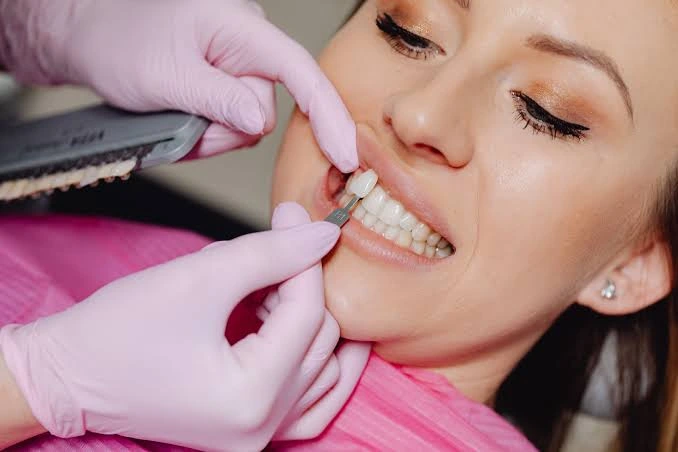
Enhance the Appearance of Your Smile With Dental Veneers
Dental veneers are thin, custom-made coverings designed to improve the appearance of selected tooth surfaces. They may be considered for certain cosmetic concerns involving the colour, shape, size, or appearance of teeth.
If you are considering veneers in Kalapatti, Coimbatore, a dental assessment can help determine whether veneers are suitable for your teeth and smile goals. Depending on the underlying concern, other options such as professional teeth whitening, dental bonding, orthodontic treatment, or crowns may sometimes be more appropriate.
At Gold's Dental Clinic in Kalapatti, Coimbatore, patients can discuss their smile concerns with Dr. Thangadurai Paramasivam, Cosmetic Dental Surgeon and Consultant Advanced Oral Implantologist, and understand the available cosmetic dental treatment options based on their individual dental condition.
With 3+ years of clinical experience, Dr. Thangadurai Paramasivam can assess the condition of your teeth and discuss whether dental veneers, smile enhancement, or another cosmetic dental treatment is appropriate for your needs.
Book Your ConsultationWhat Are Dental Veneers?
Dental veneers are thin restorations placed over the visible surface of selected teeth to modify their appearance.
They may be used to address certain cosmetic concerns involving:
- Tooth colour
- Tooth shape
- Tooth size
- Minor irregularities
- Certain chips
- Selected gaps between teeth
- Uneven-looking front teeth
Veneers are primarily a cosmetic dental treatment. They do not automatically correct every underlying dental problem. Before veneers are recommended, the dentist needs to assess the health and structure of the teeth and gums to determine whether the treatment is appropriate.
What Dental Concerns Can Veneers Address?
Veneers may be considered for selected cosmetic concerns affecting the appearance of the front teeth.
Discoloured or Stained Teeth
Veneers may be considered when certain types of tooth discolouration do not respond adequately to conventional whitening or when a different cosmetic approach is appropriate. However, not every type of staining requires veneers. The cause and extent of discolouration should first be assessed.
Chipped Teeth
A veneer may sometimes be used to improve the appearance of a tooth with a minor chip, depending on the amount of remaining healthy tooth structure. For some small chips, composite dental bonding may provide a more conservative alternative.
Uneven or Irregularly Shaped Teeth
Veneers can be designed to alter the visible shape or proportions of selected teeth when appropriate.
Small Gaps Between Teeth
In selected cases, veneers may help change the appearance of small spaces between teeth. However, larger or structurally significant gaps may require other treatments, such as orthodontic correction.
Teeth With Cosmetic Shape Concerns
When the size or shape of certain teeth affects the overall appearance of the smile, veneers may be considered as part of a cosmetic treatment plan. The suitability of veneers depends on the underlying dental condition, not simply on the appearance of the tooth.
Who May Be Suitable for Dental Veneers?
Veneers may be suitable for patients who have specific cosmetic concerns and sufficient healthy tooth structure to support the planned restoration.
Your dentist may assess:
- Tooth structure
- Enamel condition
- Tooth alignment
- Gum health
- Existing dental restorations
- Bite and chewing forces
- Tooth discolouration
- Oral hygiene
- Overall cosmetic goals
Good oral health is an important consideration before elective cosmetic dental treatment. If a patient has active tooth decay, significant gum disease, or another untreated dental problem, that condition may need to be addressed before veneers are considered.
What Types of Dental Veneers Are Available?
Different veneer materials can be used depending on the clinical situation, aesthetic requirements, durability considerations, and treatment approach.
Porcelain or Ceramic Veneers
Porcelain and ceramic veneers are tooth-coloured restorations designed to provide an aesthetic appearance. They can be individually fabricated to suit the selected teeth and may be considered when a patient is looking for a longer-term cosmetic restoration.
Composite Veneers
Composite veneers use tooth-coloured composite material to modify the appearance of the tooth. They may be considered for selected cosmetic cases and can involve a different treatment approach from laboratory-fabricated ceramic or porcelain veneers.
Your dentist can explain the differences between available materials based on your dental condition and smile goals.
What Is the Difference Between Porcelain and Composite Veneers?
Porcelain or ceramic veneers and composite veneers differ in their material, fabrication process, treatment approach, and maintenance requirements.
Porcelain or Ceramic Veneers
These are generally fabricated as individual restorations before being placed on the prepared tooth surface. They may be considered when a more customised restoration is required, multiple cosmetic characteristics need to be addressed, a ceramic aesthetic is preferred, or the tooth is suitable for this type of restoration.
Composite Veneers
Composite material is shaped directly on the tooth or used according to the selected treatment technique. They may be considered when a more conservative cosmetic approach is appropriate, minor aesthetic changes are required, or the clinical situation is suitable for composite restoration.
There is no single veneer material that is ideal for every patient. The appropriate option depends on the tooth condition, treatment objectives, aesthetic requirements, and clinical assessment.
Are Veneers Suitable for Every Tooth?
No. Veneers are not suitable for every tooth or every cosmetic concern.
A dentist may need to assess whether the tooth has:
- Adequate healthy structure
- Healthy surrounding gums
- Suitable enamel
- Appropriate alignment
- A manageable bite relationship
- No untreated decay or significant underlying disease
If a tooth is severely weakened, heavily restored, or affected by significant decay, a veneer may not provide the appropriate restoration. In such situations, another treatment such as a dental crown, filling, bonding, or other restorative procedure may be considered.
Why Is a Dental Assessment Important Before Veneers?
A dental assessment helps determine whether veneers are an appropriate cosmetic treatment for your teeth and whether any underlying dental problems need attention first.
During an assessment, your dentist may evaluate:
- Tooth and enamel condition
- Gum health
- Existing fillings or restorations
- Tooth alignment
- Bite relationship
- Tooth colour and shape
- The amount of visible tooth structure
- Your cosmetic goals
The assessment also allows you to understand whether veneers are the most suitable option or whether another treatment could achieve your desired result more conservatively. A smile should be assessed as a whole rather than selecting veneers for individual teeth without considering their relationship with the surrounding teeth and gums.
How Is Dental Veneer Treatment Performed?
Dental veneer treatment involves assessing the teeth, planning the desired cosmetic changes, preparing the selected teeth when required, and placing the veneers according to the treatment plan. The exact process depends on the type of veneer, number of teeth being treated, and the condition of the teeth.
Initial Dental Assessment
Your dentist first examines your teeth and gums to determine whether veneers are appropriate. Any active dental problems may need to be addressed before cosmetic veneer treatment is considered.
Smile and Veneer Planning
Veneer treatment should be planned according to the individual proportions of your teeth and overall smile, including which teeth may benefit, desired shape and colour, and how the proposed veneers will relate to neighbouring teeth.
Tooth Preparation
Depending on the veneer type and treatment approach, some preparation of the tooth surface may be required. The amount of preparation varies according to veneer type, existing tooth position, desired change in shape, and available enamel.
Veneer Fabrication
For veneers that are fabricated separately, the prepared tooth information is used to create the individual restoration designed according to the planned shape, size, colour, and fit.
Veneer Placement
Before final placement, the veneer is assessed for fit, appearance, and relationship with the surrounding teeth. Once the restoration is considered suitable, it is securely placed according to the selected treatment technique.
How Are Veneers Planned to Match Your Smile?
Veneer planning involves more than choosing a tooth colour. The shape, size, position, and proportions of the veneers can influence how the final smile appears.
Your dentist may consider:
- Natural tooth proportions
- Facial and smile characteristics
- Existing tooth colour
- Gumline appearance
- Shape of neighbouring teeth
- Tooth position
- Desired level of cosmetic change
This planning is particularly important when multiple front teeth are being treated because the veneers need to appear harmonious with the rest of the smile.
Are Veneers Painful?
Veneer treatment does not cause the same level of discomfort for every patient. The experience can depend on the amount of tooth preparation required and the condition of the teeth.
Local anaesthesia may be used when appropriate during tooth preparation. Some patients may experience temporary:
- Tooth sensitivity
- Mild gum tenderness
- Sensitivity to hot or cold
- Slight discomfort after preparation or placement
If significant or persistent discomfort develops, the treated teeth should be assessed by your dentist.
What Happens After Veneers Are Placed?
After veneer placement, your teeth may initially feel different as you become accustomed to their shape and surface.
You may notice:
- A change in the feel of the tooth surface
- Temporary sensitivity
- Mild gum tenderness
- A different sensation when your teeth come together
Your dentist may check the veneers and bite after placement and provide specific instructions based on your treatment. If a veneer feels loose, becomes damaged, or your bite feels persistently uncomfortable, contact your dentist for an assessment.
How Should You Care for Dental Veneers?
Veneers require regular oral hygiene and professional dental care just like natural teeth.
Maintain Regular Brushing
Brush your teeth regularly with fluoride toothpaste and use an appropriate brushing technique. Good plaque control is important for protecting the natural tooth and the surrounding gums.
Clean Between Your Teeth
Cleaning between the teeth helps remove plaque and food particles around the spaces between veneered and neighbouring teeth.
Avoid Using Teeth as Tools
Using your teeth to bite hard objects or open packages can place unnecessary forces on both veneers and natural teeth.
Attend Regular Dental Check-Ups
Routine dental examinations allow your dentist to monitor the veneers, underlying teeth, gums, and overall oral health.
Address Damage Promptly
If a veneer chips, cracks, becomes loose, or feels different, arrange a dental examination rather than attempting to repair it yourself.
Can Veneers Damage Natural Teeth?
Veneers are placed over natural tooth surfaces, so the effect on the underlying tooth depends on the treatment approach, amount of preparation, and individual tooth condition.
Some veneer treatments require preparation of the enamel, while the extent of preparation can vary depending on the type of veneer and the desired cosmetic change. This is why a thorough dental assessment is important before treatment.
Your dentist can explain whether tooth preparation is required, how much preparation is anticipated, which veneer type is being considered, and whether an alternative treatment may be more conservative.
How Long Do Dental Veneers Last?
There is no fixed lifespan that applies to every dental veneer. Veneer longevity can depend on the material, tooth location, oral hygiene, biting forces, habits, and condition of the supporting tooth.
Veneers may eventually require repair or replacement if they become:
- Chipped
- Fractured
- Worn
- Loose
- Damaged
- Affected by problems with the underlying tooth
Regular dental examinations can help monitor both the veneer and the natural tooth beneath it.
Can Veneers Be Replaced?
Yes, a veneer may need to be replaced if it becomes damaged, worn, loose, or if the underlying tooth develops a problem.
When a veneer requires replacement, your dentist can assess:
- The condition of the existing veneer
- The underlying tooth
- The surrounding gums
- Any new decay or damage
- Whether the same type of restoration remains appropriate
A replacement veneer is not automatically the only option. Depending on the condition of the tooth, another restorative or cosmetic treatment may sometimes be considered.
How Do Veneers Compare With Other Cosmetic Dental Treatments?
Veneers are one option for improving the appearance of teeth, but they are not the right solution for every cosmetic concern. The appropriate treatment depends on what is causing the aesthetic concern and the condition of the teeth.
Veneers vs Teeth Whitening
Teeth whitening changes the colour of natural teeth without covering the tooth surface with a restoration. Whitening may be considered when the main concern is general tooth discolouration. Veneers may be considered when colour changes need to be combined with modifications to tooth shape, size, or other cosmetic characteristics.
Veneers vs Composite Bonding
Composite bonding can be used to make selected cosmetic changes directly to the tooth. Bonding may be suitable for certain minor chips, shape changes, or small cosmetic corrections. Veneers may be considered when a more extensive or individually fabricated cosmetic restoration is appropriate.
Veneers vs Orthodontic Treatment
Orthodontic treatment moves teeth into different positions, whereas veneers primarily change the visible appearance of the tooth. If the main concern is significant tooth crowding, spacing, or misalignment, orthodontic assessment may be more appropriate.
Veneers vs Dental Crowns
Veneers generally cover the visible surface of a tooth, while crowns provide more extensive coverage. A veneer may be considered for selected cosmetic concerns when the tooth has adequate healthy structure. A crown may be more appropriate when the tooth is significantly weakened or structurally damaged.
Are Veneers Suitable for Crooked or Crowded Teeth?
Veneers may improve the appearance of mildly uneven or slightly misaligned teeth in selected cases, but they do not move teeth into a new position.
If teeth are significantly crowded, rotated, or misaligned, orthodontic treatment may be more appropriate. Your dentist may consider degree of misalignment, available space, tooth position, bite relationship, amount of healthy enamel, and desired cosmetic outcome.
A cosmetic restoration should not be used to mask a problem that would be better addressed through orthodontic or other dental treatment.
Can Veneers Close Gaps Between Teeth?
Veneers may be used to improve the appearance of selected small gaps between teeth when the teeth and surrounding tissues are suitable for the treatment.
However, veneers are not the only option for spaces between teeth. Depending on the cause and size of the gap, treatment may include composite bonding, orthodontic treatment, or other restorative approaches.
Can Veneers Whiten Teeth That Do Not Respond to Whitening?
Veneers may be considered for certain types of tooth discolouration that are difficult to improve with conventional whitening, but they are not automatically required for every stained tooth. The cause of the discolouration should first be assessed.
Depending on the type and severity of staining, your dentist may consider professional teeth whitening, replacement or treatment of existing restorations, composite bonding, veneers, or other cosmetic or restorative options.
Who May Not Be Suitable for Veneers?
Veneers may not be appropriate when untreated dental disease, insufficient tooth structure, or certain functional problems are present.
Your dentist may recommend addressing other concerns first if you have:
- Active tooth decay
- Untreated gum disease
- Significant enamel loss
- Severe tooth damage
- Certain bite-related problems
- Poor plaque control
- Habits that place excessive force on the teeth
This does not necessarily mean veneers can never be considered. In some cases, the underlying dental condition may need to be treated before cosmetic restoration is planned.
Can Veneers Be Used for a Smile Makeover?
Yes. Veneers can form part of a smile makeover when they are appropriate for the patient's teeth and cosmetic goals.
A smile makeover may involve evaluating tooth colour, shape, proportions, alignment, gum appearance, existing dental restorations, and the relationship between the front teeth and surrounding teeth.
However, a smile makeover does not necessarily mean placing veneers on every visible tooth. The treatment plan should be based on the individual smile and the specific concerns being addressed.
How Many Veneers Do You Need?
The number of veneers required depends on which teeth are visible when you smile, the cosmetic concern being addressed, and the desired treatment outcome.
Some patients may require veneers on only one or a few teeth, while others may consider multiple veneers to address broader cosmetic concerns. The number should not be determined solely by a fixed package or standard treatment plan.
How Much Do Veneers Cost in Kalapatti, Coimbatore?
The cost of veneers in Kalapatti, Coimbatore depends on several factors, including the number of teeth being treated, veneer material, preparation required, fabrication method, and complexity of the cosmetic treatment.
The overall cost may vary according to:
- Number of veneers
- Porcelain, ceramic, composite, or other material selected
- Condition of the underlying teeth
- Amount of preparation required
- Need for preliminary dental treatment
- Complexity of the smile design
- Laboratory or fabrication requirements
- Follow-up and maintenance needs
A consultation is necessary to assess your teeth and determine which cosmetic treatment is appropriate before an individual treatment estimate can be provided.
FAQs
Frequently Asked Questions About Dental Veneers
Dental veneers are thin, custom-made restorations designed to improve the appearance of selected tooth surfaces. They may be used for certain concerns involving tooth colour, shape, size, minor chips, or other cosmetic irregularities.
Veneers should not be described as permanently lasting restorations. Their longevity depends on factors such as the material, tooth condition, oral hygiene, biting forces, and individual habits. They may eventually require repair or replacement.
The effect on the natural tooth depends on the type of veneer and the treatment approach. Some veneer treatments require preparation of the enamel. Your dentist can explain the anticipated preparation and whether a more conservative alternative may be appropriate.
Neither material is universally better for every patient. Porcelain or ceramic and composite veneers differ in their material properties, fabrication process, appearance, maintenance, and clinical applications. The appropriate choice depends on your teeth and treatment goals.
Veneers may improve the appearance of mildly uneven teeth in selected cases, but they do not move teeth into a new position. Significant crowding or misalignment may require orthodontic treatment.
Veneers can sometimes improve the appearance of selected small gaps, depending on the size and cause of the spacing. Composite bonding or orthodontic treatment may be more appropriate in other cases.
A veneer may be considered for certain minor chips or changes in tooth shape. However, the appropriate treatment depends on how much tooth structure has been damaged. Composite bonding or another restoration may sometimes be more suitable.
Veneers can change the visible colour of selected teeth and may be considered for certain types of discolouration that are not suitable for conventional whitening. The cause of the discolouration should be assessed first.
There is no standard number that applies to every patient. The number depends on which teeth are visible when you smile, the cosmetic concern being addressed, and the overall treatment plan.
The treatment experience varies between patients. Local anaesthesia may be used when appropriate during tooth preparation. Temporary sensitivity or mild tenderness can occur after treatment.
Treatment duration depends on the number of teeth, veneer material, preparation required, fabrication process, and whether preliminary dental treatment is necessary.
Veneers require regular oral hygiene just like natural teeth. Brush regularly with fluoride toothpaste, clean between your teeth, avoid using your teeth to bite hard objects, and attend routine dental examinations.
The cost depends on the number of veneers, material selected, preparation required, fabrication method, condition of the underlying teeth, and overall complexity of the treatment. An individual assessment is needed to determine the appropriate treatment and cost.
Dentist for Veneers in Kalapatti, Coimbatore
If you are considering veneers in Kalapatti, Coimbatore for discoloured, chipped, uneven, irregularly shaped, or otherwise cosmetically concerning teeth, a dental consultation can help determine whether veneers are suitable.
At Gold's Dental Clinic in Kalapatti, Coimbatore, you can discuss your cosmetic dental concerns with Dr. Thangadurai Paramasivam, Cosmetic Dental Surgeon and Consultant Advanced Oral Implantologist.
The treatment plan can be based on the condition of your teeth, gum health, bite, existing restorations, and your cosmetic goals. Depending on the concern, the recommended option may be veneers, teeth whitening, composite bonding, orthodontic treatment, a crown, or another cosmetic or restorative procedure.
Book a Veneers Consultation in Kalapatti, Coimbatore
If you are considering dental veneers to improve the appearance of your smile, a professional dental assessment can help you understand whether veneers are appropriate and which treatment approach may suit your teeth.
At Gold's Dental Clinic, you can discuss your smile concerns with Dr. Thangadurai Paramasivam, Cosmetic Dental Surgeon and Consultant Advanced Oral Implantologist, and understand the available cosmetic dental options based on your individual needs.
Schedule Your Cosmetic Dental ConsultationVisit Gold's Dental Clinic
Clinic Address
Gold's Dental Clinic
First Floor, 31/2, Vilanguruchi Road,
Near Four Function, Above Apollo Pharmacy,
Kalapatti, Coimbatore, Tamil Nadu - 641048.
Medical Disclaimer
The information on this page is provided for general educational purposes and does not replace a professional dental examination, diagnosis, or personalised treatment advice. The suitability of veneers, choice of material, amount of tooth preparation, treatment duration, cost, and expected outcome can vary depending on the individual teeth and overall oral health.