Preventive Dentistry Treatment in Kalapatti, Coimbatore
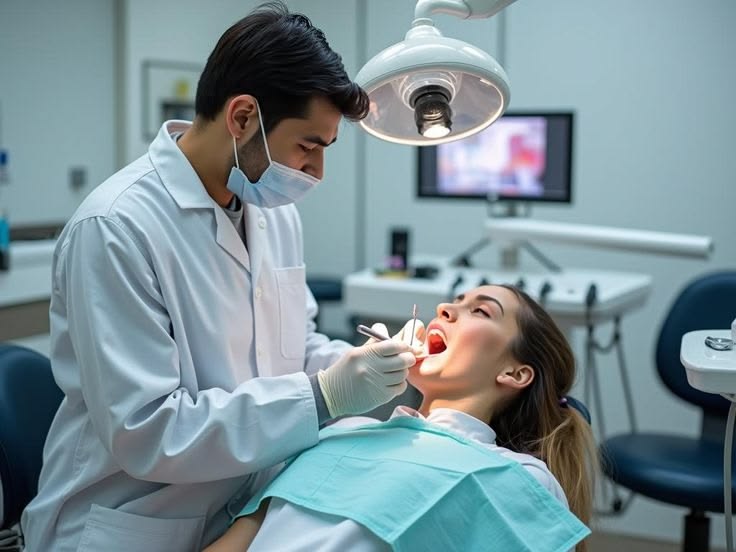
Protect Your Teeth and Gums With Preventive Dental Care
Preventive dentistry focuses on protecting your teeth and gums through regular dental examinations, professional dental care, and effective daily oral hygiene. Rather than waiting until a toothache, cavity, gum problem, or other dental concern develops, preventive care aims to identify potential problems early and maintain your oral health over time.
Preventive dentistry treatment in Kalapatti, Coimbatore may include routine dental check-ups, professional dental cleaning, plaque and tartar removal, gum health assessment, fluoride treatment, dental sealants, and personalised oral hygiene guidance when appropriate.
At Gold's Dental Clinic in Kalapatti, Coimbatore, patients can discuss their oral health concerns with Dr. Thangadurai Paramasivam, Cosmetic Dental Surgeon and Consultant Advanced Oral Implantologist, and understand the preventive dental care appropriate for their individual needs.
With 3+ years of clinical experience, Dr. Thangadurai Paramasivam provides dental care focused on assessing oral health, identifying potential concerns, and recommending appropriate treatment or preventive measures based on each patient's dental condition.
Preventive dentistry is not limited to people who currently have dental problems. Regular preventive visits can also help people with healthy teeth maintain their oral health and identify changes before they become more extensive.
Book Your ConsultationWhat Is Preventive Dentistry?
Preventive dentistry is an approach to dental care that focuses on maintaining healthy teeth and gums while identifying potential dental problems at an early stage.
It combines professional dental care with the daily habits you follow at home. The aim is to reduce avoidable dental problems and support long-term oral health through regular monitoring and appropriate care.
Preventive dental care may include:
- Routine dental examinations
- Professional dental cleaning
- Plaque and tartar removal
- Cavity prevention
- Gum health assessment
- Fluoride treatment when appropriate
- Dental sealants when indicated
- Oral hygiene guidance
- Early identification of dental problems
- Personalised recommendations based on dental risk
The preventive care required is not the same for everyone. Your age, oral hygiene, dental history, risk of tooth decay, gum health, existing restorations, and other individual factors can influence the care recommended by your dentist.
Why Is Preventive Dental Care Important?
Preventive dental care helps your dentist monitor your oral health and identify potential problems before they become more extensive.
Some dental problems may develop gradually and may not cause noticeable symptoms in their early stages. Regular examinations can help identify changes involving the teeth, gums, or existing dental restorations that may otherwise go unnoticed.
Preventive visits may help identify:
- Early tooth decay
- Plaque and tartar buildup
- Gum inflammation
- Early signs of gum disease
- Tooth wear
- Changes around existing restorations
- Areas that may require closer monitoring
- Other changes that need further dental assessment
Preventive dentistry is also about maintaining what is already healthy. Good oral hygiene at home combined with appropriate professional dental care can support the long-term health of your teeth and gums.
What Does Preventive Dentistry Include?
Preventive dentistry is not one specific procedure. The treatments and services recommended depend on your individual oral health and dental risk.
Routine Dental Check-Ups
Routine dental examinations allow your dentist to assess your teeth, gums, and overall oral health at regular intervals. During a check-up, your dentist may look for early signs of tooth decay, gum inflammation, tooth wear, changes around existing restorations, and other conditions that may require attention.
Regular examinations also provide an opportunity to discuss concerns such as tooth sensitivity, bleeding gums, bad breath, or changes you have noticed in your mouth.
Professional Dental Cleaning
Professional dental cleaning helps remove plaque and tartar that may remain even with regular brushing and cleaning at home. Plaque can accumulate around the gumline and between teeth, while tartar is hardened plaque that generally requires professional removal.
The frequency of professional cleaning depends on factors such as your oral hygiene, tartar buildup, gum health, and individual risk of dental problems.
Plaque and Tartar Removal
Plaque is a bacterial film that continuously forms on the surfaces of your teeth. If it is not adequately removed, it can contribute to tooth decay and gum inflammation. Tartar forms when plaque hardens. Once tartar has developed, brushing alone generally cannot remove it effectively.
Fluoride Treatment
Fluoride helps strengthen tooth enamel and can support protection against tooth decay. Depending on your age, oral health, and risk of developing cavities, your dentist may recommend additional fluoride treatment as part of your preventive care.
Dental Sealants
Dental sealants are protective coatings that may be applied to selected tooth surfaces to help reduce the accumulation of food particles and plaque in areas that can be difficult to clean. They are often considered for the grooves and pits of back teeth.
Gum Health Assessment
Preventive dental visits also involve monitoring the health of your gums and the tissues supporting your teeth, including inflammation, bleeding, swelling, plaque and tartar, gum recession, and changes that may suggest periodontal problems.
Oral Hygiene Guidance
Personalised oral hygiene guidance may cover brushing technique, toothbrush selection, cleaning between the teeth, plaque control, fluoride use, dietary habits, and individual risk factors.
How Often Should You Have a Dental Check-Up?
There is no single dental check-up interval that is suitable for every patient. The recommended frequency depends on your oral health, dental history, risk of tooth decay or gum disease, age, oral hygiene, and other individual factors.
Some patients may benefit from more frequent monitoring if they have:
- A history of cavities
- Gum disease or recurring gum inflammation
- Frequent plaque or tartar buildup
- Existing crowns, bridges, or other restorations
- A higher risk of tooth decay
- Ongoing oral health concerns
Patients with fewer risk factors may require a different follow-up schedule. Rather than following a fixed schedule without considering your dental condition, your dentist can recommend an appropriate preventive visit interval after assessing your individual oral health.
What Happens During a Preventive Dental Examination?
A preventive dental examination is designed to evaluate the current condition of your teeth and gums and identify changes that may require attention.
Examination of Your Teeth
Your dentist may check for tooth decay, cracks or visible damage, tooth wear, sensitivity-related concerns, changes in tooth structure, and problems around existing restorations.
Checking Your Gums
Your gums may be assessed for inflammation, bleeding, swelling, gum recession, and plaque and tartar accumulation. Changes in gum health may indicate a need for additional periodontal assessment.
Identifying Early Signs of Tooth Decay
A routine dental examination can help identify areas that may indicate early tooth decay or an increased risk of developing cavities.
Checking Existing Dental Restorations
If you already have fillings, crowns, bridges, or other dental restorations, these can be examined as part of your routine dental care.
Dental X-Rays When Required
Dental X-rays are not necessarily required during every preventive dental visit. They may be recommended when your dentist needs additional information that cannot be obtained through a routine clinical examination.
Can Preventive Dentistry Help Prevent Cavities?
Preventive dentistry can help reduce the risk of cavities through regular examinations, professional plaque control, fluoride when appropriate, and effective daily oral hygiene.
Your dentist may provide guidance about:
- Brushing and fluoride toothpaste
- Cleaning between your teeth
- Fluoride treatment when appropriate
- Dental sealants when indicated
- Dietary habits
- Frequent consumption of sugary foods and drinks
- Regular dental examinations
Preventive dentistry cannot guarantee that a person will never develop a cavity. However, consistent preventive care can help reduce risk and identify dental problems at an earlier stage.
Can Preventive Dentistry Help Prevent Gum Disease?
Preventive dental care can help reduce the risk of gum disease by supporting effective plaque control and allowing changes in gum health to be identified early.
Regular dental examinations and professional cleaning can help monitor plaque and tartar buildup, gum inflammation, bleeding gums, gum recession, changes around the gumline, and other signs that may require periodontal evaluation.
If persistent gum bleeding, swelling, recession, or other changes are present, a dental assessment can help determine whether additional gum treatment is required.
How Does Preventive Dentistry Help Detect Dental Problems Early?
Preventive dentistry allows your dentist to identify changes in your teeth and gums before they become more extensive or cause significant symptoms.
Early assessment may help identify:
- Developing tooth decay
- Early gum inflammation
- Plaque and tartar buildup
- Tooth wear or damage
- Gum recession
- Changes around existing fillings, crowns, or bridges
- Areas at increased risk of future dental problems
Early detection does not mean that every problem can be prevented or avoided, but it can help your dentist address concerns at an appropriate stage.
What Are the Signs You Should Not Wait for Your Next Check-Up?
Certain changes in your mouth should be assessed rather than waiting for your next routine preventive dental visit.
Consider arranging a dental examination if you experience:
- Persistent toothache
- Repeated tooth sensitivity
- Bleeding or swollen gums
- Persistent bad breath
- Pain while chewing
- A chipped or damaged tooth
- A loose or shifting tooth
- Visible changes in the gums
- Food repeatedly getting trapped between particular teeth
- A filling, crown, or bridge that feels damaged or different
These symptoms can have different causes, so a professional examination is necessary to determine the underlying problem.
How Can You Prevent Tooth Decay?
Preventing tooth decay involves controlling plaque, protecting tooth enamel, and reducing factors that increase the risk of cavities.
Brush With Fluoride Toothpaste
Brushing regularly with fluoride toothpaste helps remove plaque and provides fluoride to the tooth surfaces.
Clean Between Your Teeth
A toothbrush cannot effectively clean every surface between the teeth. Cleaning between your teeth helps remove plaque and food particles from these areas.
Limit Frequent Sugary Foods and Drinks
Frequent exposure to sugars can increase the risk of tooth decay. Reducing how often sugary foods and drinks are consumed can form part of a cavity-prevention strategy.
Attend Regular Dental Examinations
Routine examinations allow your dentist to monitor your teeth and identify areas that may require additional preventive care.
Consider Additional Preventive Treatments When Recommended
Depending on your cavity risk, your dentist may recommend treatments such as fluoride application or dental sealants when appropriate.
How Can You Maintain Healthy Gums?
Healthy gums depend on effective plaque control, regular dental care, and attention to changes in gum health.
You can support your gum health by:
- Brushing your teeth regularly
- Cleaning between your teeth
- Avoiding prolonged plaque accumulation
- Having professional cleaning when recommended
- Attending routine dental examinations
- Following personalised oral hygiene advice
- Avoiding smoking and tobacco use
If your gums repeatedly bleed, swell, recede, or become tender, do not assume the problem will resolve on its own. A dental examination can help determine whether additional gum treatment or periodontal care is needed.
What Role Does Oral Hygiene Play in Preventive Dentistry?
Daily oral hygiene is one of the foundations of preventive dentistry because professional dental care cannot replace the care you provide at home.
Brushing Your Teeth
Brush your teeth regularly using an appropriate technique and fluoride toothpaste. Your dentist can advise you on brushing methods if you have difficulty cleaning particular areas.
Cleaning Between Your Teeth
Cleaning between your teeth helps remove plaque from areas that a toothbrush may not reach effectively.
Limiting Frequent Sugary Foods and Drinks
Reducing frequent exposure to sugary foods and beverages can help lower factors associated with tooth decay.
Regular Professional Dental Care
Even with good home care, some plaque may remain and eventually harden into tartar. Professional dental cleaning can help remove these deposits when required.
Preventive Dentistry for Children
Preventive dentistry for children focuses on developing healthy oral hygiene habits, monitoring developing teeth, and identifying potential dental problems early.
Children's preventive dental care can include:
- Regular dental examinations
- Monitoring tooth development
- Oral hygiene instruction
- Cavity-risk assessment
- Fluoride recommendations when appropriate
- Dental sealants when indicated
- Dietary guidance
- Early identification of tooth decay
Starting dental care early can also help children become familiar with dental visits and develop consistent oral hygiene habits.
Children's Dental Check-Ups
Regular dental examinations allow the dentist to monitor the development of a child's teeth and identify early signs of tooth decay or other oral health concerns.
Fluoride and Cavity Prevention
Fluoride can help strengthen developing and existing tooth enamel and support cavity prevention based on the child's age, oral health, fluoride exposure, and risk of tooth decay.
Dental Sealants
Dental sealants may be recommended for selected children's teeth when the grooves and pits are particularly susceptible to plaque accumulation and cavities.
Developing Good Oral Hygiene Habits
Children benefit from learning appropriate brushing and interdental cleaning habits from an early age with support from parents and caregivers.
Can Preventive Dentistry Reduce the Need for Extensive Dental Treatment?
Preventive dentistry can help reduce the risk of some dental problems becoming more extensive by supporting early detection and ongoing oral health maintenance.
For example, regular dental care may help identify early tooth decay, developing gum problems, damaged restorations, areas of excessive plaque or tartar, tooth wear, and other changes requiring attention.
However, preventive dentistry cannot guarantee that extensive dental treatment will never be required. The purpose of preventive care is to monitor oral health, reduce avoidable risks, and address problems at an appropriate stage whenever possible.
What Happens During a Preventive Dental Visit?
A preventive dental visit generally begins with a discussion of your current oral health and any changes or concerns you have noticed.
Your dentist may then:
- Examine your teeth and gums
- Check for plaque and tartar
- Look for signs of tooth decay
- Assess existing dental restorations
- Evaluate your gum health
- Recommend dental X-rays when clinically necessary
- Discuss your oral hygiene routine
- Recommend professional cleaning or other preventive care when appropriate
The appointment may differ depending on your age, dental history, oral health, and individual risk factors.
What Should You Do Before Your Preventive Dental Appointment?
You do not usually need special preparation for a routine preventive dental visit, but having relevant information about your oral health can make the consultation more useful.
Before your appointment, consider noting:
- Any tooth pain or sensitivity you have experienced
- Recent changes in your gums
- Bleeding while brushing or cleaning between your teeth
- Changes in existing fillings, crowns, or bridges
- Any previous dental treatments
- Medicines or health conditions that may be relevant to your dental care
- Questions or concerns you want to discuss with your dentist
Continue your normal oral hygiene routine before the appointment. If you have a specific concern, mention it during the consultation even if it appears minor.
What Should You Ask a Preventive Dentistry Doctor During a Dental Check-Up?
A preventive dental appointment is an opportunity to understand your current oral health and identify ways to reduce your future risk of dental problems.
You may want to ask your preventive dentistry doctor:
- Are my teeth and gums currently healthy?
- Do I have any early signs of tooth decay?
- Am I developing plaque or tartar buildup?
- Are my gums showing any signs of inflammation?
- How often should I have a professional dental cleaning?
- Am I at increased risk of cavities?
- Would fluoride treatment be appropriate for me?
- Would dental sealants be useful in my case?
- Is there anything I should change about my brushing or interdental cleaning?
- How often should I return for a preventive dental examination?
The answers will depend on your individual dental condition. Personalised preventive advice is more useful than following the same dental-care routine for everyone.
How Does Preventive Dentistry Differ From Restorative Dental Treatment?
Preventive dentistry focuses on maintaining oral health and identifying potential problems early, while restorative dentistry focuses on repairing teeth that have already been damaged or affected by dental disease.
Preventive Dentistry
Preventive care may include routine dental examinations, professional cleaning, plaque and tartar control, fluoride treatment, dental sealants, gum health monitoring, and oral hygiene guidance.
The goal is to maintain oral health and address potential concerns at an appropriate stage.
Restorative Dentistry
Restorative treatment may be required when a tooth has already developed damage or disease. Depending on the condition, restorative procedures may include dental fillings, dental crowns, dental bridges, and other treatments to restore damaged teeth.
The two approaches can work together. Preventive dentistry helps maintain oral health, while restorative treatment addresses dental problems when they occur.
Can Preventive Dentistry Be Personalised to Your Dental Risk?
Yes. Preventive dental care can be adapted according to your individual risk factors and oral health history.
Your dentist may consider:
- Previous cavities
- History of gum disease
- Plaque and tartar buildup
- Existing dental restorations
- Oral hygiene habits
- Dietary patterns
- Age
- Tooth sensitivity
- Other relevant dental or health factors
For example, a patient who frequently develops cavities may need a different preventive approach from someone whose primary concern is recurring gum inflammation.
How Much Does Preventive Dentistry Treatment Cost in Kalapatti, Coimbatore?
The cost of preventive dentistry treatment in Kalapatti, Coimbatore depends on the type of preventive service required and your individual oral health needs.
The cost may vary depending on:
- Type of dental examination
- Professional cleaning required
- Amount of plaque and tartar buildup
- Need for fluoride treatment
- Need for dental sealants
- Additional dental assessment
- Dental X-rays when clinically indicated
- Follow-up or maintenance requirements
A dental examination can help determine which preventive services are appropriate and provide an individual treatment estimate.
FAQs
Frequently Asked Questions About Preventive Dentistry
Preventive dentistry is an approach to dental care focused on maintaining healthy teeth and gums and identifying potential dental problems at an early stage. It may include routine examinations, professional cleaning, fluoride treatment, dental sealants, gum assessment, and personalised oral hygiene guidance.
There is no fixed interval that is appropriate for everyone. The recommended frequency depends on your oral health, dental history, cavity risk, gum health, age, and other individual factors. Your dentist can recommend a suitable schedule after assessing your teeth and gums.
Preventive dentistry can help reduce the risk of cavities through regular examinations, plaque control, fluoride when appropriate, dental sealants when indicated, and good daily oral hygiene. However, preventive care cannot guarantee that cavities will never develop.
Preventive dental care can help reduce factors associated with gum disease by supporting plaque control and allowing early gum changes to be identified. Regular examinations and professional cleaning can be particularly useful for monitoring gum health.
Professional dental cleaning may be recommended when plaque and tartar cannot be adequately controlled through routine home care. The need and frequency depend on your oral hygiene, tartar buildup, gum health, and individual dental risk.
Fluoride treatment provides additional exposure to fluoride to help strengthen tooth enamel and support cavity prevention. It may be recommended when appropriate based on a person's age, oral health, and risk of tooth decay.
Dental sealants are protective coatings applied to selected tooth surfaces, particularly grooves and pits that can be difficult to clean. They may help reduce the accumulation of plaque and food particles in these areas and can be considered based on individual cavity risk.
Yes. Preventive dentistry is an important part of children's oral care. Regular examinations can monitor developing teeth, identify early tooth decay, provide age-appropriate oral hygiene guidance, and determine whether treatments such as fluoride or dental sealants may be appropriate.
Yes. Routine dental examinations can help identify changes in the teeth and gums before they become more extensive. Depending on the findings, your dentist may recommend monitoring, preventive care, additional diagnostic evaluation, or treatment.
Preventive care may help reduce the risk of some dental problems becoming more extensive by supporting oral hygiene and encouraging early assessment. However, it cannot guarantee that more involved dental treatment will never be required.
The cost depends on the preventive services required, such as examination, professional cleaning, fluoride treatment, dental sealants, or additional diagnostic procedures. An individual assessment is needed to determine the appropriate care and cost.
Preventive Dentistry Doctor in Kalapatti, Coimbatore
If you are looking for a preventive dentistry doctor in Kalapatti, regular dental assessment can help you understand the current condition of your teeth and gums and identify areas that may require preventive attention.
At Gold's Dental Clinic in Kalapatti, Coimbatore, you can discuss your oral health with Dr. Thangadurai Paramasivam, BDS, Dental Surgeon and Consultant Advanced Oral Implantologist.
Preventive care can be tailored according to your individual dental needs, including your history of cavities, gum health, plaque and tartar buildup, existing restorations, oral hygiene habits, and other relevant risk factors.
Whether you need a routine dental check-up, professional cleaning, cavity-prevention advice, gum health assessment, or other preventive dental care, the appropriate approach can be discussed during your consultation.
Book a Preventive Dentistry Consultation in Kalapatti, Coimbatore
Regular preventive dental care can help you stay informed about your oral health and address potential concerns at an appropriate stage.
If you are due for a dental check-up or have concerns about tooth decay, plaque, tartar, gum health, tooth sensitivity, or your daily oral hygiene, a professional dental examination can help determine the appropriate next step.
At Gold's Dental Clinic, you can discuss your preventive dental needs with Dr. Thangadurai Paramasivam, Cosmetic Dental Surgeon and Consultant Advanced Oral Implantologist, and receive recommendations based on your individual oral health.
Schedule Your Dental Check-UpVisit Gold's Dental Clinic
Clinic Address
Gold's Dental Clinic
First Floor, 31/2, Vilanguruchi Road,
Near Four Function, Above Apollo Pharmacy,
Kalapatti, Coimbatore, Tamil Nadu - 641048.
Medical Disclaimer
The information on this page is provided for general educational purposes and does not replace a professional dental examination, diagnosis, or personalised treatment advice. The preventive dental services you may require, recommended visit frequency, treatment duration, and cost can vary depending on your individual oral health and should be determined after an appropriate dental assessment.